
Sforza Castle & Rondanini’s Pietà
Sforza Castle is one of Milan’s most important cultural landmarks, home to centuries of art, history and architecture. With access to its museums and Michelangelo’s final masterpiece, the Rondanini Pietà, visitors can explore Renaissance courts, historic rooms and world-renowned artworks. The experience is perfect for travelers looking to discover Milan’s artistic heart at their own pace.
This venue is also included in select MegaPass city passes, making it easy to combine with other top attractions during your trip.
Sforza Castle History
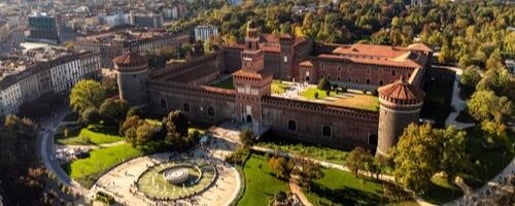
Originally built in the 15th century by Francesco Sforza, Duke of Milan, the castle played a key role in the city’s political and military history. Over time, it evolved from a fortress into a grand Renaissance residence. Thanks to restoration efforts by architect Luca Beltrami and later additions, it now houses some of Milan’s most prestigious museum collections.
Why Visit Sforza Castle & Rondanini’s Pietà?
Sforza Castle offers a rare combination of medieval architecture, Renaissance art and peaceful courtyards. Visitors can explore museums filled with historical artifacts, admire works by Leonardo da Vinci and view Michelangelo’s emotional Rondanini Pietà—his final unfinished sculpture. It’s a must-see for art lovers and culture enthusiasts.
Sforza Castle & Rondanini’s Pietà Tickets and Entry Options
Tickets typically include access to the castle’s museums and the dedicated gallery housing the Rondanini Pietà. Visitors can explore independently or enhance their experience with an audio guide that provides historical context, artistic interpretation and architectural insights. Some ticket types offer access to temporary exhibitions depending on the season.
Sforza Castle & Rondanini’s Pietà Ticket Price and Entrance Fee
Prices vary based on age category and type of entry. Reduced rates may be available for students, children or seniors. Seasonal exhibitions or special events may influence pricing. It’s recommended to check updated ticket details when planning your visit.
Sforza Castle Opening Hours
Sforza Castle is open daily, with museums and galleries operating on specific schedules that may differ from the castle courtyard hours. Last admission is usually allowed 30–45 minutes before closing. Holiday hours or maintenance periods may affect access to certain museum sections.
How to Get to Sforza Castle & Rondanini’s Pietà
Located near Milan’s city center, Sforza Castle is easily accessible by metro, tram and bus. The nearest metro stations include Cairoli Castello and Cadorna. Visitors can also walk from the Duomo through scenic city streets or enter via Parco Sempione, which leads directly to the castle’s rear entrance.
Sforza Castle & Rondanini’s Pietà Highlights
- Michelangelo’s Rondanini Pietà, his final sculpture
- Museums with medieval, Renaissance and decorative arts
- Sala delle Asse, attributed to Leonardo da Vinci (seasonal access)
- Peaceful courtyards and castle walkways
- Archaeological collections and musical instrument museum
- Scenic approach through Parco Sempione
- Historic castle architecture from multiple eras
Tips for Visiting Sforza Castle & Rondanini’s Pietà
- Start with the Rondanini Pietà to avoid crowding later in the day
- Wear comfortable shoes—museum sections involve extensive walking
- Combine your visit with Parco Sempione for a relaxed afternoon
- Visit early to enjoy quieter galleries
- Audio guides enhance understanding of artworks and architecture
- Allow extra time for temporary exhibitions when available
Average Time Needed at Sforza Castle & Rondanini’s Pietà
Most visitors spend 1.5 to 2 hours exploring the castle museums and viewing the Rondanini Pietà. Art lovers or those exploring several collections may stay up to 3 hours. Combined with Parco Sempione or nearby attractions, plan for a half-day visit.
Winter Visiting Tips for Sforza Castle & Rondanini’s Pietà
Winter is a pleasant time to visit, with fewer crowds inside the museums and comfortable indoor temperatures. Courtyards can be chilly, so bring a warm layer. Rainy days make the museum experience especially enjoyable, offering a peaceful and reflective atmosphere.