Food and Drink in Vienna – Coffeehouses, Classics, Heuriger, and Street Food
Food in Vienna is not a side topic. It sets the pace of the day. Mornings often start in a coffeehouse, lunch fits perfectly in a Beisl or Gasthaus, afternoons call for something sweet, and evenings belong to a Heuriger, a traditional inn, or a modern kitchen. What makes Vienna feel so special is how naturally old traditions and new flavours sit next to each other.
Coffeehouses, Breakfast, and Viennese Cakes
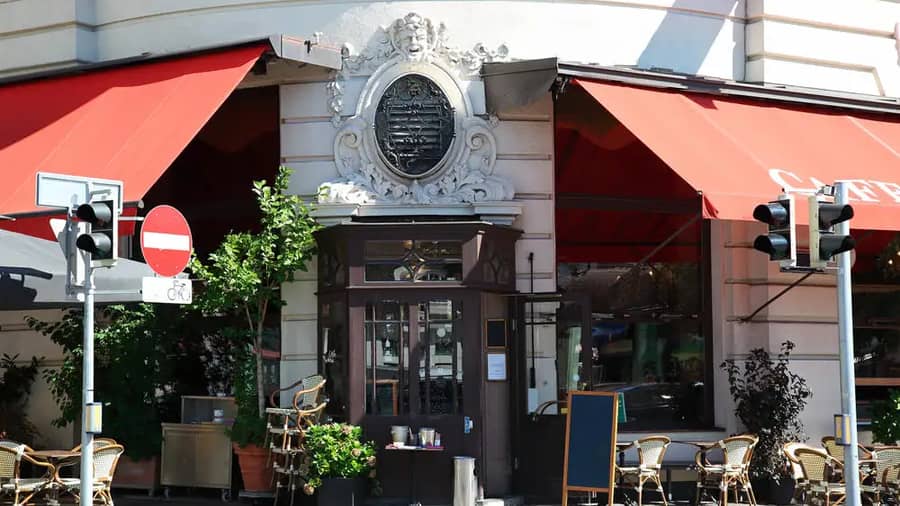
A Viennese coffeehouse is never just about caffeine. It is a place to slow down, read, talk, watch the room, and stay longer than planned.
Typical coffee orders you will hear everywhere are:
- Wiener Melange, the classic, mild and creamy, a perfect start to the day.
- Verlängerter, black coffee topped up with hot water, simple and everyday.
- Einspänner, strong coffee served in a glass, finished with a cap of whipped cream.
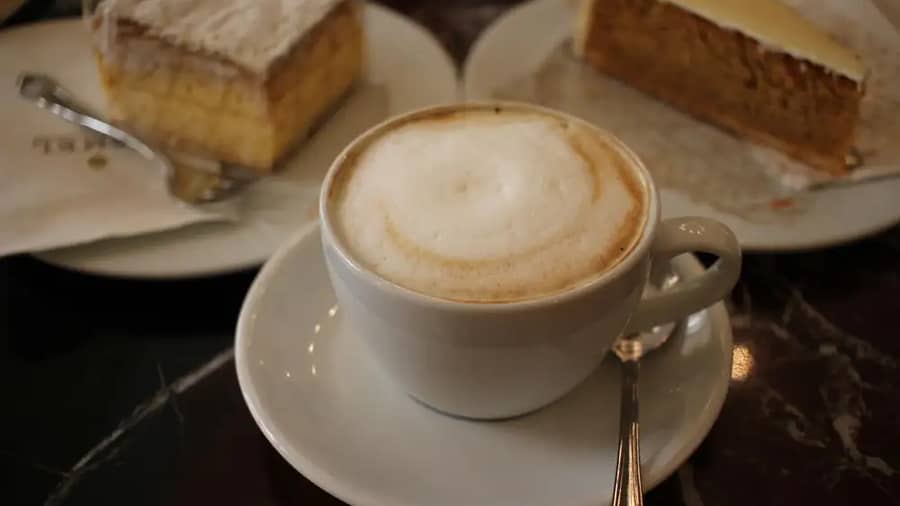
Viennese desserts, called Mehlspeisen, are hard to avoid, and you should not try:
- Apfelstrudel, warm apple strudel, often served with vanilla sauce.
- Topfenstrudel, the creamier version with curd cheese filling.
- Sachertorte, dense chocolate cake, traditionally paired with whipped cream.
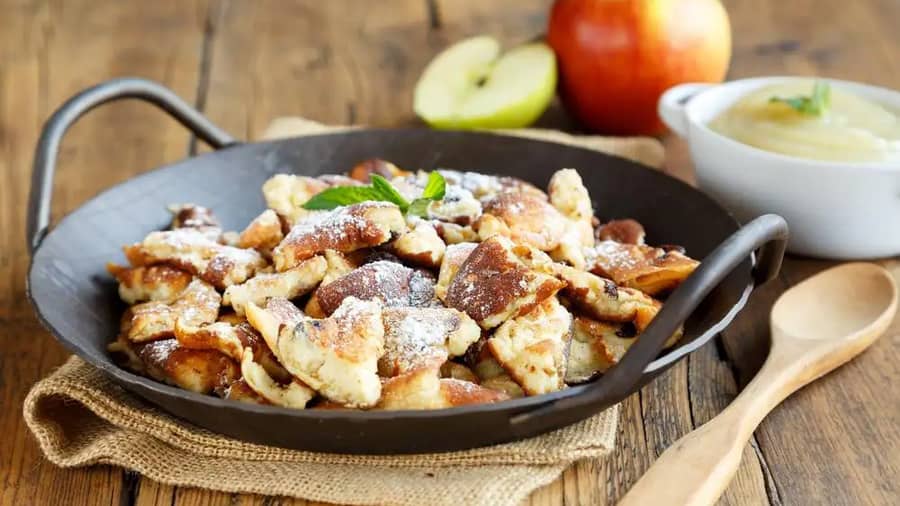
- Kaiserschmarrn, torn and caramelised pancakes, usually served with plum compote.
The Classics of Viennese Cuisine
Many iconic dishes look simple, but they depend on technique, timing, and quality ingredients. The best approach is to spread the classics across several meals instead of forcing everything into one day.
A strong “Vienna essentials” line-up is:
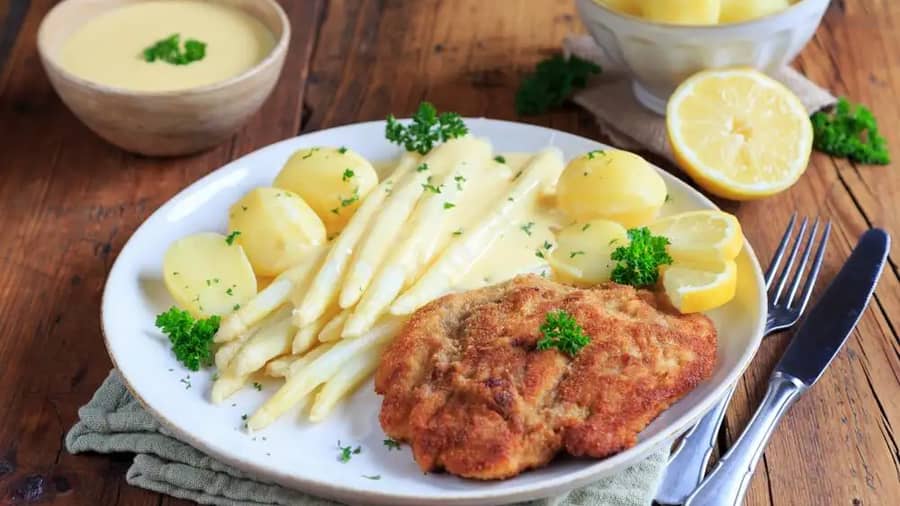
- Wiener Schnitzel vom Kalb, veal schnitzel, thin, crisp, golden, typically with potato salad.
- Tafelspitz, boiled beef served with broth, vegetables, apple horseradish, and chive sauce.
- Zwiebelrostbraten, beef with a rich onion gravy, deeply savoury and very Viennese.
- Gulasch auf Wiener Art, thick and spiced, often with bread or dumplings.
- Backhendl, breaded fried chicken, surprisingly light when done well.
Soups and Beisl Starters
Everyday Vienna often begins with soups and small dishes, and this is where the city feels especially authentic.
You will commonly see these on menus:
- Frittatensuppe, clear beef broth with sliced pancakes.
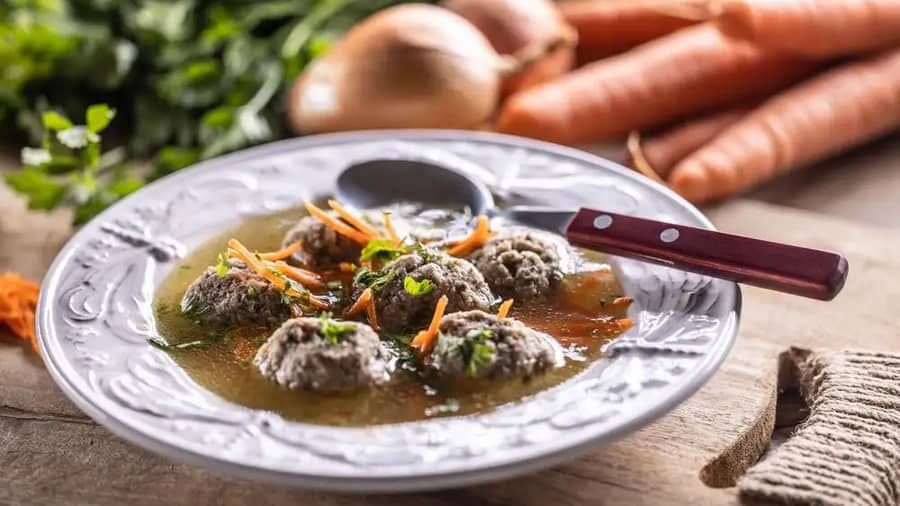
- Leberknödelsuppe, a hearty soup with a liver dumpling.
- Gulaschsuppe, spicier than the main-dish version, ideal on colder days.
- Frankfurter or Debreziner, sausages served with mustard, horseradish, and bread.
- Erdäpfelsalat, Viennese-style potato salad, usually marinated rather than mayonnaise-based.
- Liptauer, a seasoned curd cheese spread, perfect for sharing.
Hearty Tavern Food and Offal Dishes
This side is not for everyone, but it belongs to Vienna’s culinary story. Many dishes come from a tradition of using every part of the animal, which created its own distinctive flavour world.
Typical inn classics are:
- Beuschel, usually veal offal in a rich, slightly sour sauce, often served with dumplings.
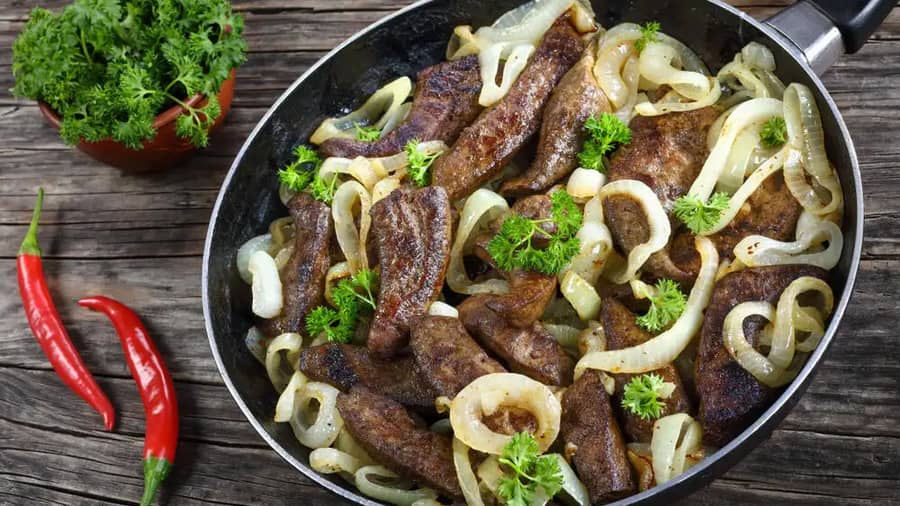
- Liver dishes, depending on the place, pan-fried or as part of soups and dumplings.
- Tavern-style goulash, less refined, more robust, deeply satisfying.
Wine and Heuriger Culture
A Heuriger is more than a place to drink. It is a Viennese ritual, often with vineyard atmosphere, simple cold dishes, and the feeling that the city suddenly turns into village life.
Common wines you will encounter include:
- Grüner Veltliner, dry, fresh, and peppery.
- Wiener Gemischter Satz, a local specialty made from several grape varieties grown together.
- Riesling, often leaner and more mineral than many expect.
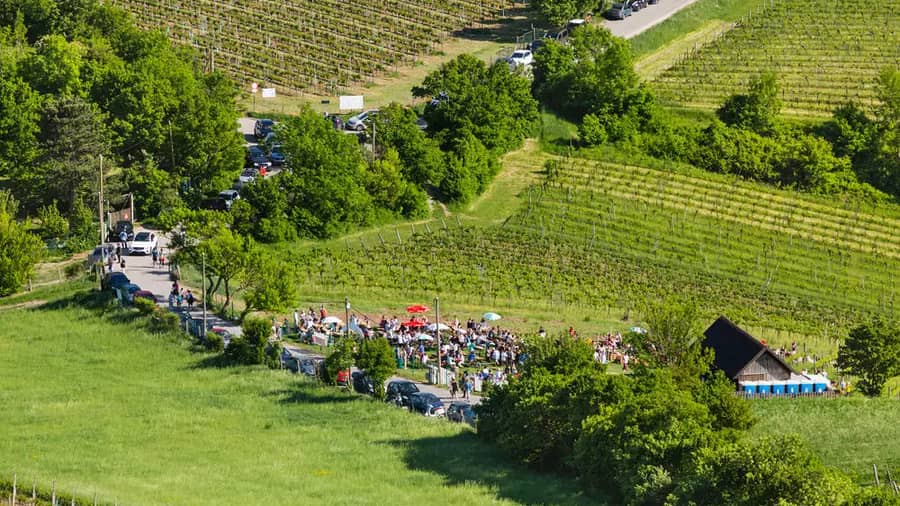
Typical Heuriger food is:
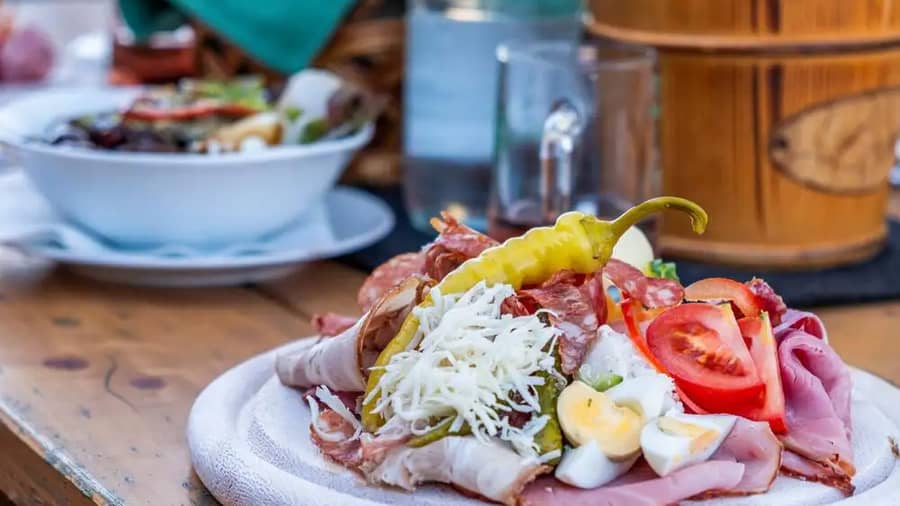
- Brettljause, a board with cold cuts, spreads, cheese, pickles, and bread.
- Spreads such as Liptauer or Grammelschmalz, a rustic lard spread with crispy bits.
- Seasonal plates such as salads or cold roasts.
Beer and Traditional Inns
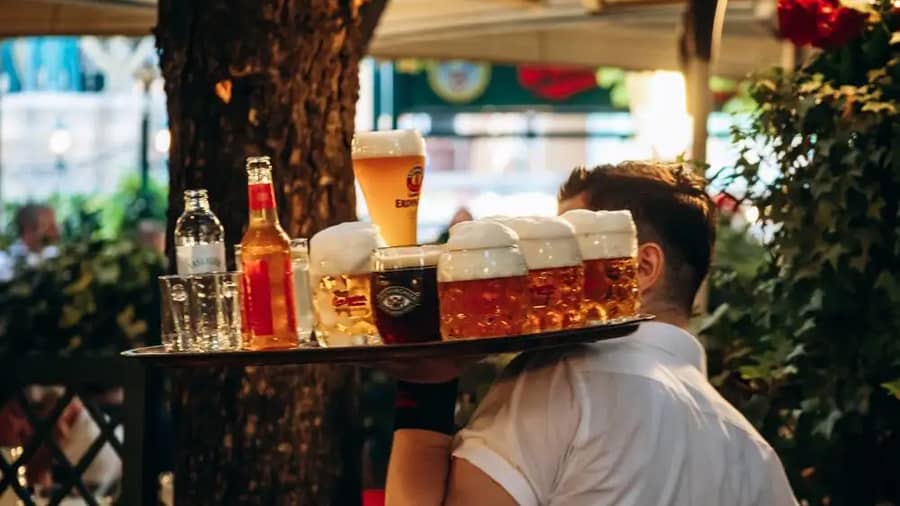
Beer is part of the culture, but it rarely takes centre stage. In Vienna, it usually plays the supporting role, and that feels exactly right.
Typical moments for beer are:
- With Schnitzel in a Gasthaus.
- As a pairing for hearty Beisl dishes.
- Later at night, when you want something easy and straightforward.
Street Food and the Würstelstand
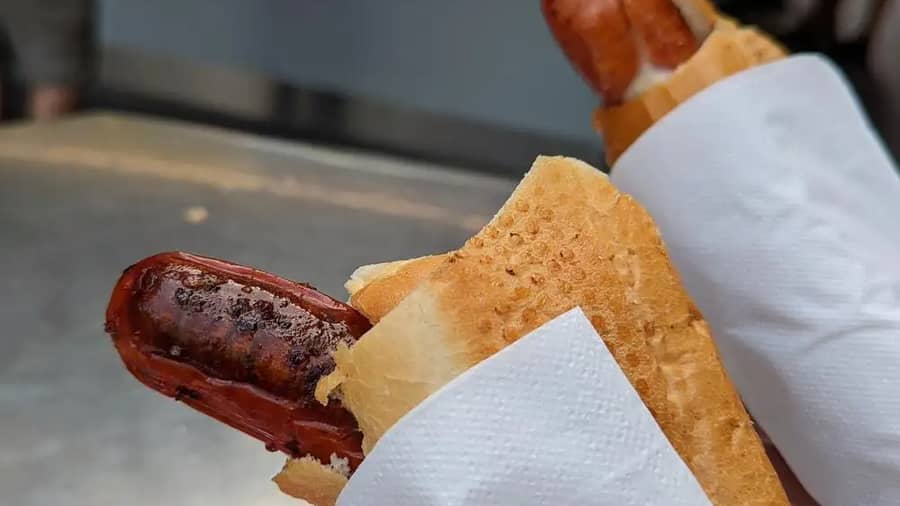
Street Food in Vienna is less about big markets and more about everyday life. Much of it happens at Würstelstände, the city’s classic sausage stands, and alongside them you will find the cuisines of communities that have shaped Vienna for decades.
Classic Würstelstand favourites include:
- Käsekrainer, a hot sausage with melted cheese inside, usually with mustard and bread.
- Frankfurter, the simple classic, fast to order, universally understood.
- Debreziner, more heavily seasoned than a Frankfurter, a late-night favourite.
- Leberkäse im Semmel, warm meatloaf in a bread roll, one of the city’s most honest quick meals.
- Bosna, grilled sausage in white bread with onions and curry sauce, originally from Salzburg, now very Viennese.
Street Food with a Middle Eastern feel is equally woven into the city today:
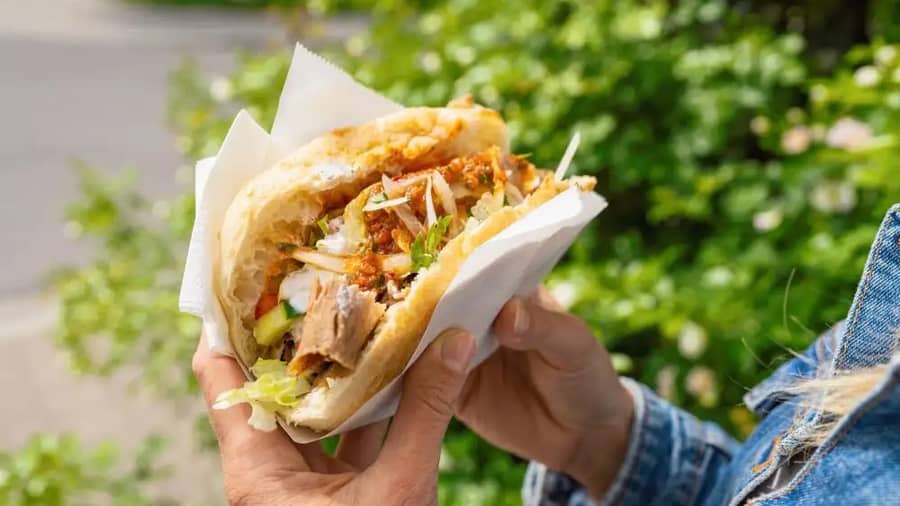
- Falafel, fried chickpea balls in flatbread with salad and sauce, filling and widely available.
- Döner, shaved meat from a rotating spit in flatbread with salad and sauce, one of Vienna’s most popular fast meals.
Where Vienna Eats and Drinks
Vienna does not have one single “food district.” The scene is spread out, and it becomes easy once you follow a few clear zones.
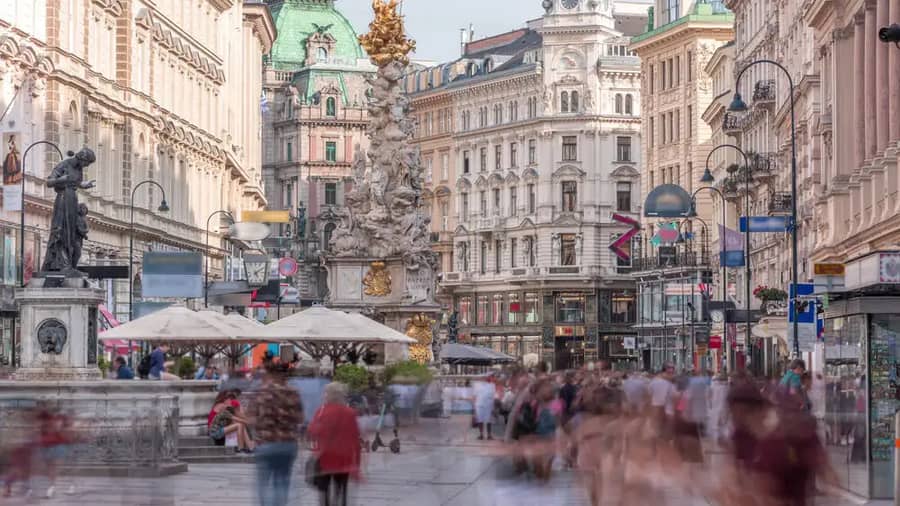
Coffeehouses and classic addresses are strongest in:
- Innere Stadt, especially around Herrengasse, Graben, and Kohlmarkt.
- Kärntner Straße down to the Opera area, a classic route for traditional cafés and cakes.
Famous, long-standing coffeehouse names in this area include:
- Café Central, one of Vienna’s most famous coffeehouses, historic and iconic.
- Café Sacher Wien, closely linked to Sachertorte and classic coffeehouse culture.
- Demel, a former imperial pastry shop with an impressive dessert selection.
Markets and Street Food hotspots are:
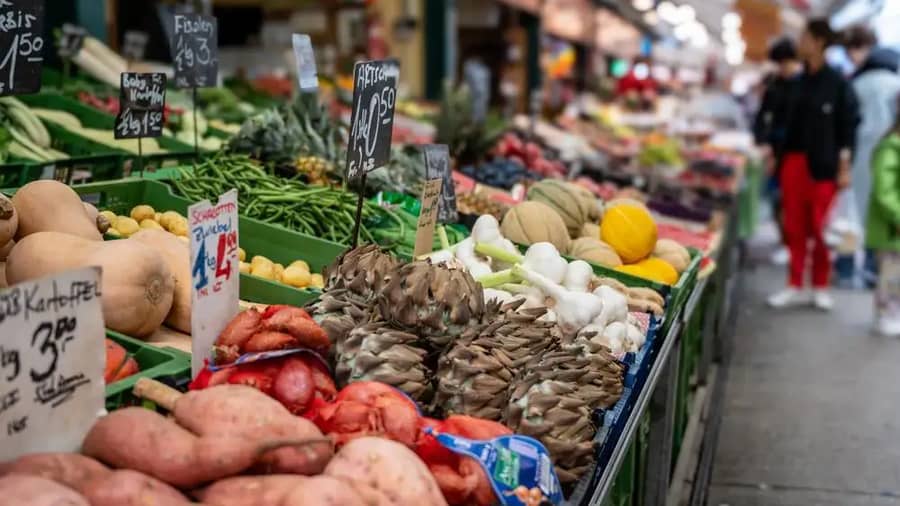
- Naschmarkt, Vienna’s best-known food market, great for quick bites and casual eating.
- Karmelitermarkt, smaller and calmer, often with a local feel.
- Brunnenmarkt and Yppenplatz, lively and multicultural, ideal for easy Street Food.
- Gleis//Garten, a large food hall with many different Street Food concepts under one roof.
Heuriger areas are best known in:
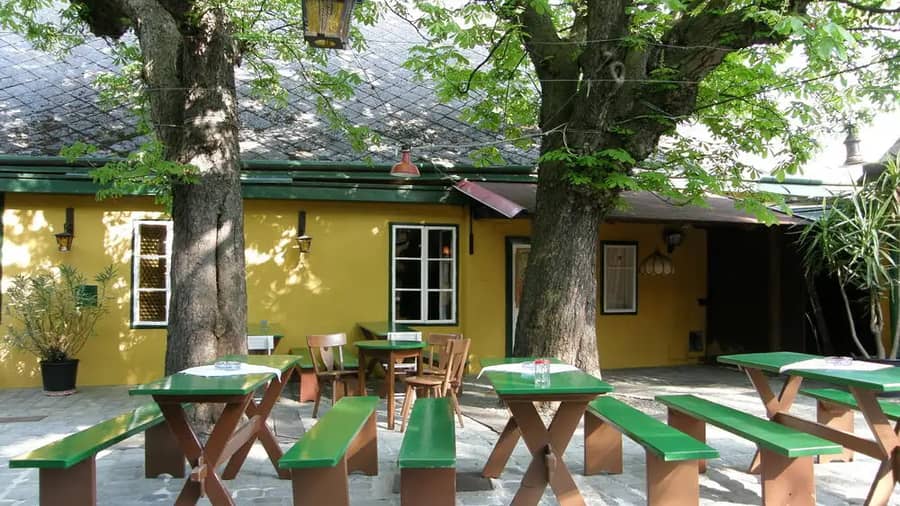
- Grinzing, the classic, most famous Heuriger zone.
- Neustift am Walde, less postcard-style, often more relaxed.
- Nussdorf, close to the Danube Canal, with an easy-going atmosphere.
Late-evening areas for bars and quick bites include:
- The Gürtel area, where many venues sit close together.
- The Bermudadreieck, central, compact, loud, and busy.

Food and drink in Vienna feels best when you mix styles instead of chasing one perfect meal. Start slow in a coffeehouse, go classic at lunch, lean into wine at a Heuriger, and grab something from a Würstelstand in between. That is the rhythm where Vienna tastes most convincing, because you are not only trying dishes, you are stepping into a way of life.