Food and Drink in Florence – From Tuscan Classics to Street Food
Food in Florence is defined by simplicity, quality ingredients, and a deep respect for tradition. Tuscan cuisine avoids unnecessary complexity and relies instead on excellent produce, good olive oil, and recipes that have changed little over time. Eating is not about spectacle, but about substance, rhythm, and everyday enjoyment.
The Classics – Must-Eat Florentine Dishes
Florentine classics are defined by hearty portions and a strong focus on meat, especially grilled and slow-cooked dishes. Many of these meals were never festive showpieces but everyday food, shaped by local butchers, markets, and rural traditions from the surrounding countryside. What makes them essential is not refinement, but their role as staples of Florentine dining culture.
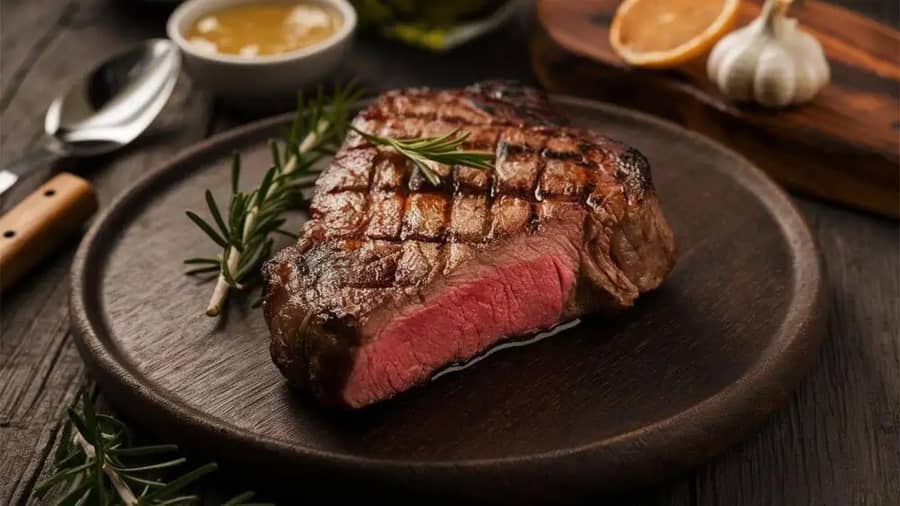
- Bistecca alla Fiorentina – thick-cut T-bone steak grilled over charcoal, served rare and seasoned only with salt and olive oil
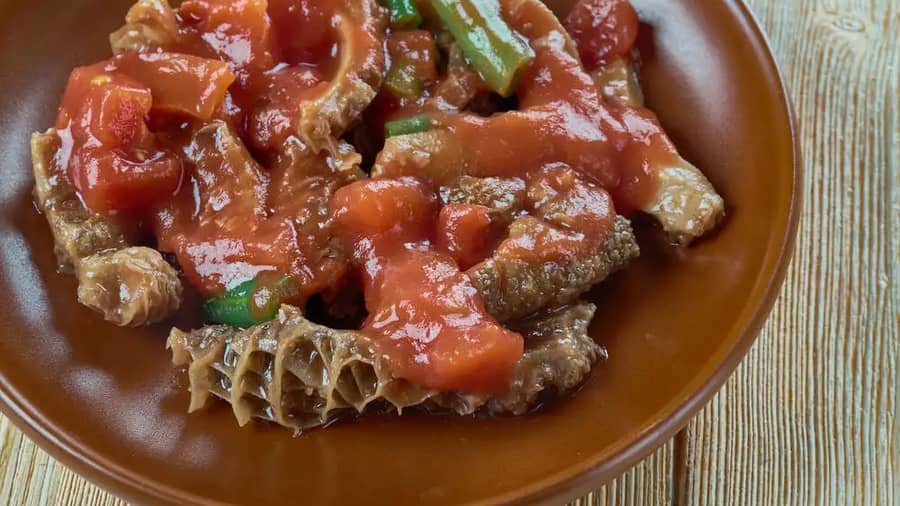
- Trippa alla Fiorentina – slow-cooked tripe in a tomato-based sauce with herbs and grated cheese
- Peposo – beef stew braised with red wine, garlic, and plenty of black pepper, originally a workers’ dish
- Arista di maiale – roasted pork loin with rosemary, garlic, and olive oil
- Crostini neri – toasted bread topped with a rich chicken liver pâté, a classic Tuscan starter
Tuscan Bread and Peasant Dishes
Bread plays a central role in Florentine cooking and is traditionally made without salt. Many iconic dishes are based on bread combined with vegetables, beans, or leftovers, reflecting a culture of simplicity and resourcefulness.
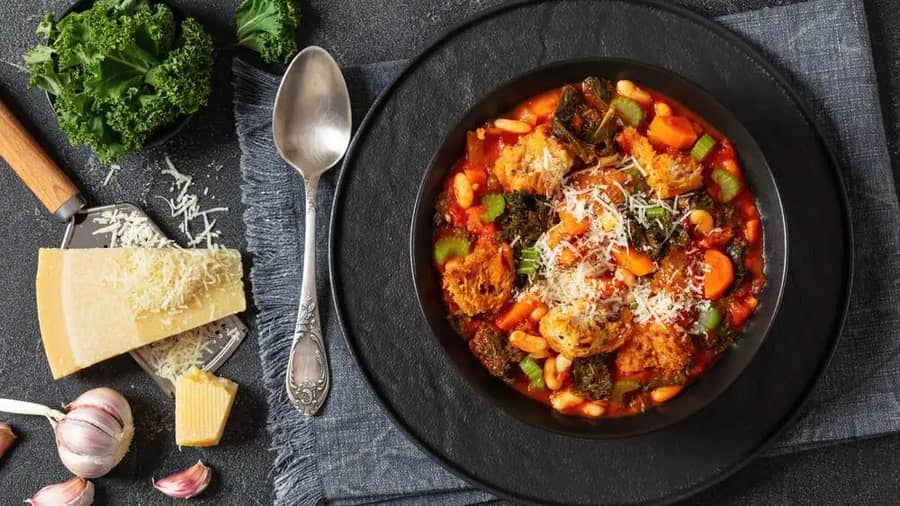
- Ribollita – dense vegetable and bread stew, reheated over several days and deeply traditional
- Pappa al pomodoro – thick dish of tomato, bread, garlic, and olive oil
- Fagioli all’uccelletto – white beans stewed with tomato and sage, often served as a side
- Pane sciocco – unsalted Tuscan bread, the foundation of many local recipes
Street Food and Everyday Bites
Florence offers hearty, practical street food designed for quick meals rather than long breaks. These dishes are part of daily life and are commonly found around markets and busy central streets.
- Lampredotto – boiled beef stomach served hot, Florence’s most famous street food
- Panino al lampredotto – lampredotto served in a crusty roll, often with green sauce
- Schiacciata – flat Tuscan bread, filled with cured meats, cheese, or vegetables
- Pizza al taglio – rectangular pizza sold by weight, ideal for a quick bite

Sweets, Pastries and Desserts
Florentine desserts are traditional and restrained, favoring nuts, simple doughs, and balanced sweetness rather than elaborate presentation.
- Cantucci – dry almond biscuits, traditionally dipped in dessert wine
- Schiacciata alla fiorentina – soft sponge cake with orange flavor, dusted with powdered sugar
- Zuccotto – dome-shaped dessert made with sponge cake, cream, and chocolate
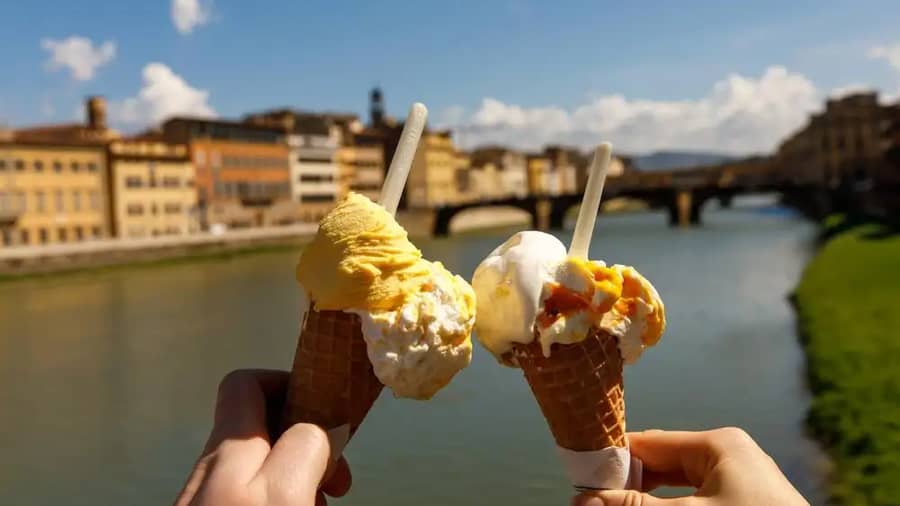
- Gelato artigianale – artisan ice cream made with fresh, seasonal ingredients
Coffee and Italian Bar Culture
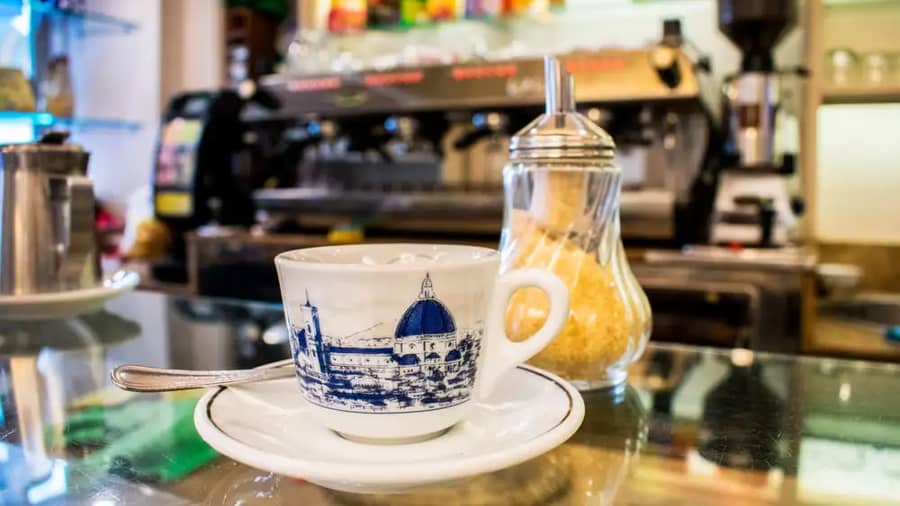
Coffee in Florence is quick, functional, and part of everyday routine. Most people drink coffee standing at the counter, often as a short pause rather than a long stay.
- Espresso – strong Italian coffee, usually drunk quickly at the bar
- Cappuccino – espresso with steamed milk and foam, typically a morning drink
- Caffè macchiato – espresso with a small amount of milk
- Cornetto – Italian breakfast pastry, often filled with cream or jam
Wine, Aperitivo and Evening Drinks
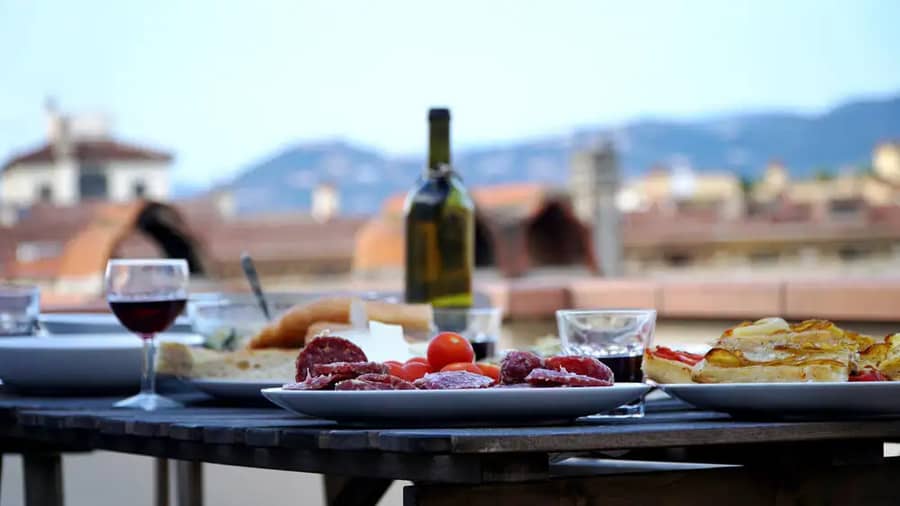
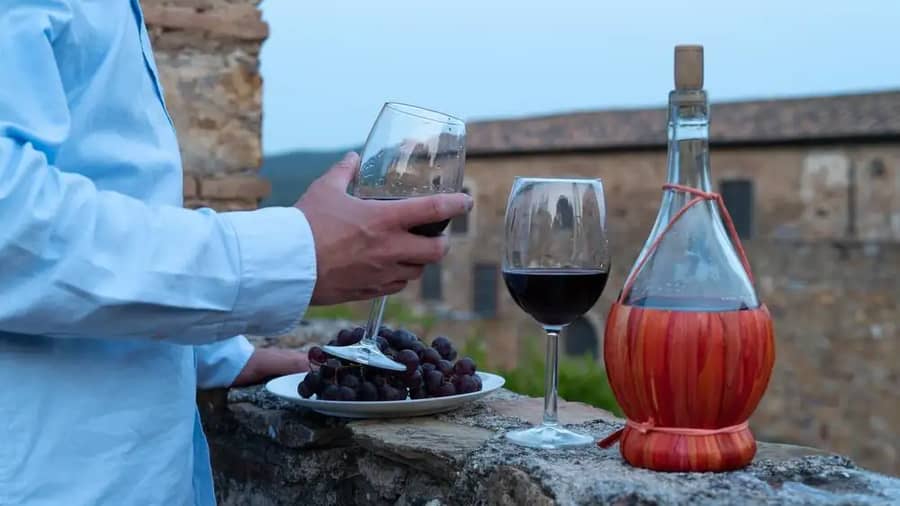
Wine is a natural part of daily life in Florence. In the early evening, the aperitivo marks a relaxed transition from day to night, combining drinks with small snacks.
- Chianti – classic Tuscan red wine with balanced acidity
- Vino della casa – house wine served by the glass or carafe
- Negroni – Florentine cocktail made with gin, vermouth, and Campari
- Spritz – light aperitivo drink with prosecco and bitter liqueur
After-Dinner Drinks and Digestivi
After meals, drinks shift toward digestivi, enjoyed slowly as a calm conclusion to dinner rather than as part of nightlife.
- Grappa – grape pomace brandy, strong and aromatic
- Amaro – herbal liqueur with bitter-sweet flavors
- Vin Santo – traditional Tuscan dessert wine, often paired with cantucci

Where Florence Eats and Drinks
Eating and drinking in Florence is not limited to a single district. Restaurants, street food spots, and wine bars are spread across the historic center and nearby neighborhoods, often overlapping naturally rather than forming clearly defined zones.
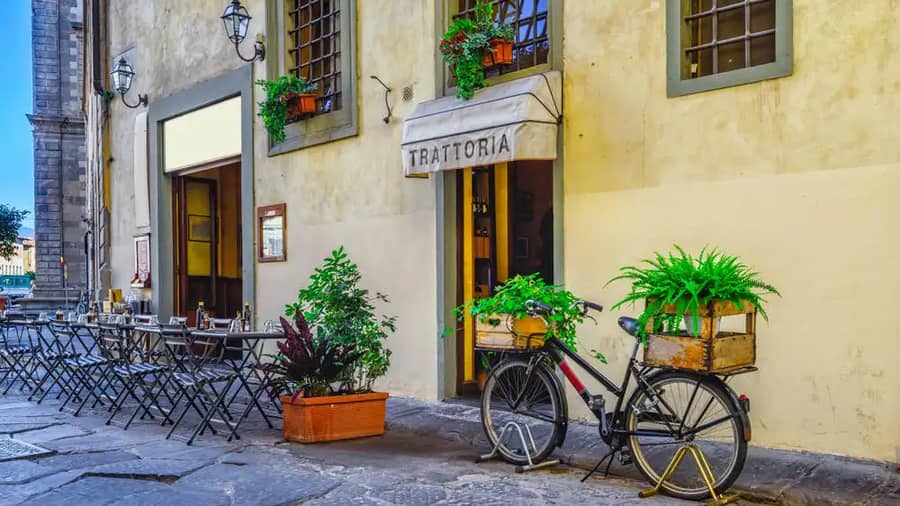
- Trattorias and osterias – Traditional Italian restaurants serving local Tuscan cuisine, usually informal and focused on classic, time-honored dishes, found throughout the historic center and residential areas
- Street food spots and markets – centered around Mercato Centrale, the city’s main food market and only true food-hall style location, while smaller street food stands are scattered across busy streets and everyday neighborhoods
- Enoteche – Italian wine bars specializing in regional and Tuscan wines, mainly located in central areas and often serving small accompanying dishes.
Florence’s food culture follows a clear logic. Meals are rooted in tradition, shaped by everyday habits rather than culinary trends, and built around a small number of well-defined dishes and rituals.
From hearty classics and bread-based recipes to simple street food, quick coffee stops, and the evening aperitivo, eating and drinking in Florence is less about variety and more about consistency and identity.
Once these patterns are understood, navigating the city’s food scene becomes straightforward, authentic, and deeply connected to daily life.