Shopping in Rome – From Souvenirs to Luxury
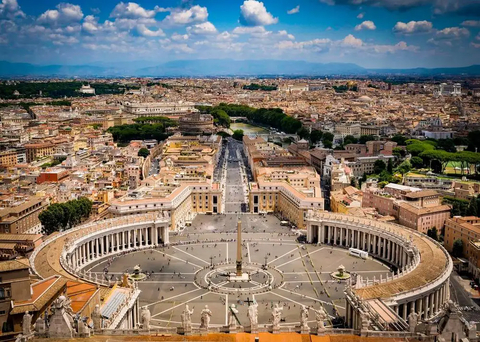
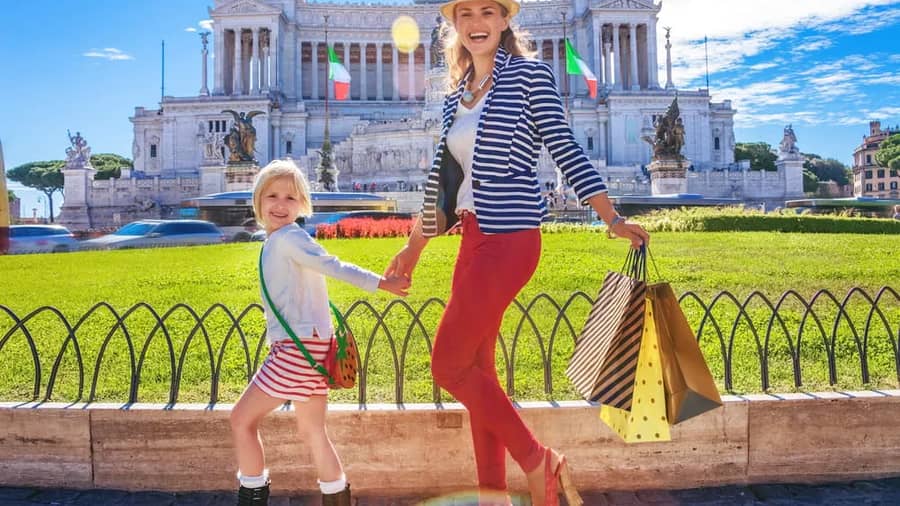
Rome is not a city of compact shopping districts or large retail zones. Shopping unfolds organically between ancient streets, piazzas, churches, cafés, and everyday Roman life. Instead of purpose-built retail areas, the city offers layers of shopping experiences, from historic main streets and luxury addresses to markets, artisans, and small neighborhood shops. Browsing often happens on the way to a monument rather than as a destination of its own.
The Most Popular Shopping Streets
These streets form the backbone of shopping in Rome. They connect major sights with everyday retail and are easy to combine while exploring the historic center.
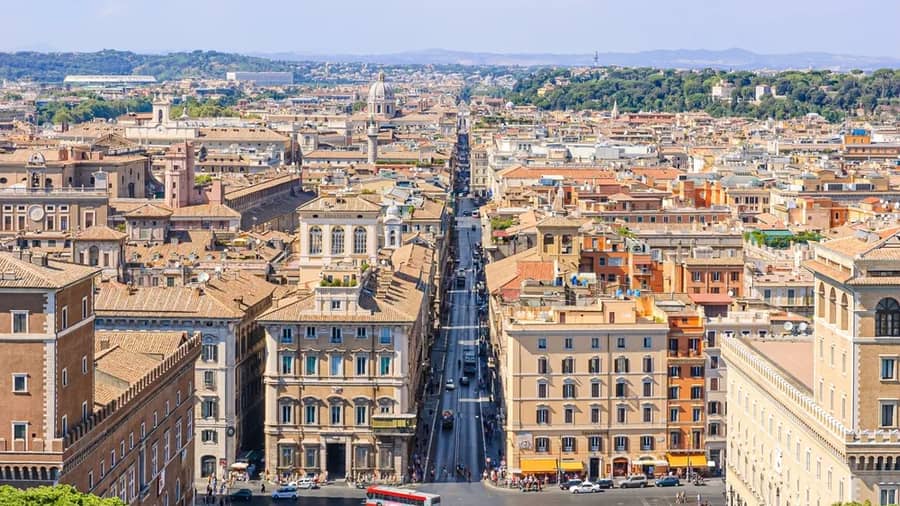
- Via del Corso – Rome’s main shopping artery, lined with international brands, fashion chains, and everyday stores, stretching between Piazza Venezia and Piazza del Popolo.
- Via Nazionale – A broad 19th-century street linking the main station area with the historic core, offering fashion, footwear, and mid-range shopping.
- Via Cola di Rienzo – A spacious shopping street near the Vatican, known for clothing, shoes, and Italian brands popular with locals.
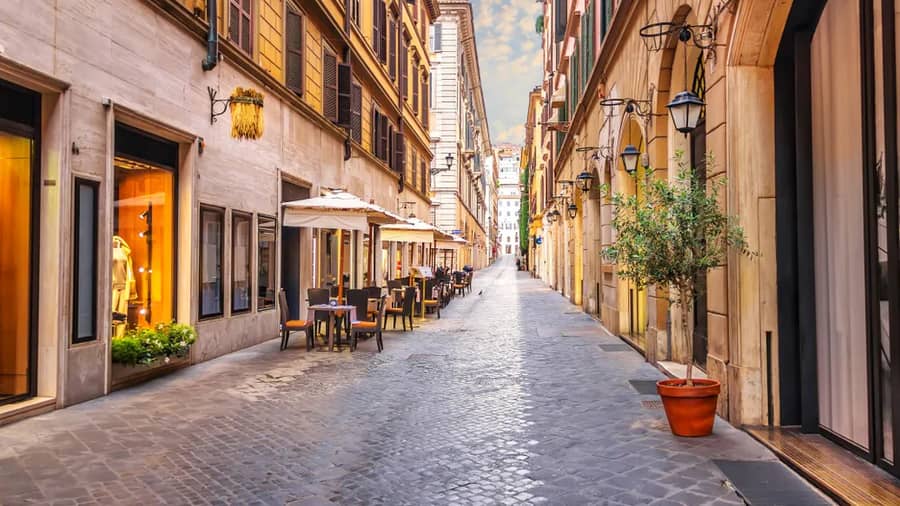
High-End and Elegant Shopping
Luxury shopping in Rome is closely tied to historic surroundings, refined architecture, and long-established Italian craftsmanship.
- Via dei Condotti – Rome’s most prestigious luxury street, directly beside the Spanish Steps, home to Italian and international fashion houses.
- Via del Babuino – A refined street connecting Piazza del Popolo with Piazza di Spagna, known for high-end fashion and art galleries.
- Via Borgognona – A discreet luxury address featuring elegant boutiques, jewelry, and couture in a quieter setting.
Iconic Shopping Landmarks
Some shopping locations in Rome are destinations in their own right, combining retail with architecture, history, and atmosphere.
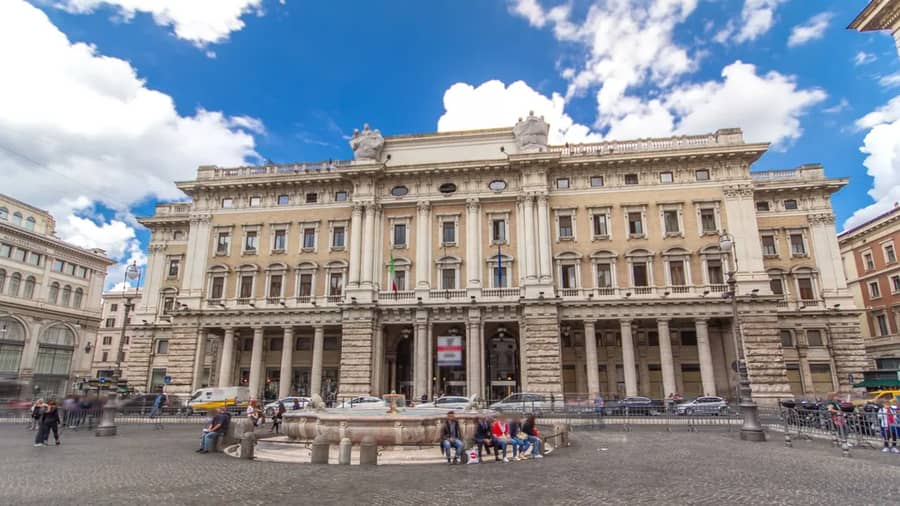
- La Rinascente – A modern department store near the Trevi Fountain, blending fashion, design, gourmet food, and contemporary retail inside a historic building.
- Galleria Alberto Sordi – An elegant early-20th-century shopping gallery with cafés, boutiques, and Roman architectural flair.
- Spanish Steps area – Less a single landmark than a shopping ensemble, where luxury boutiques, historic streets, and iconic scenery merge.
Shopping Centers
Large shopping centers play a minor role in Rome compared to street-based retail, but a few options exist, mainly outside the historic core.
- Euroma2 – A modern shopping mall in the EUR district, focused on international brands, fashion, and everyday retail.
- Roma Est – A large suburban shopping complex combining retail, dining, and entertainment.
Creative Neighborhoods and Local Boutiques
Beyond the main streets, Rome offers districts shaped by independent shops, artisans, and small-scale creativity rather than mass retail.
- Trastevere – Known for artisan workshops, leather goods, ceramics, jewelry, and small design boutiques woven into everyday Roman life.
- Monti – A stylish neighborhood near the Colosseum, popular for vintage fashion, independent designers, concept stores, and handcrafted items.
- Campo de’ Fiori area – A mix of food shops, local boutiques, and traditional Roman stores surrounding one of the city’s most famous squares.
Souvenirs & Gifts
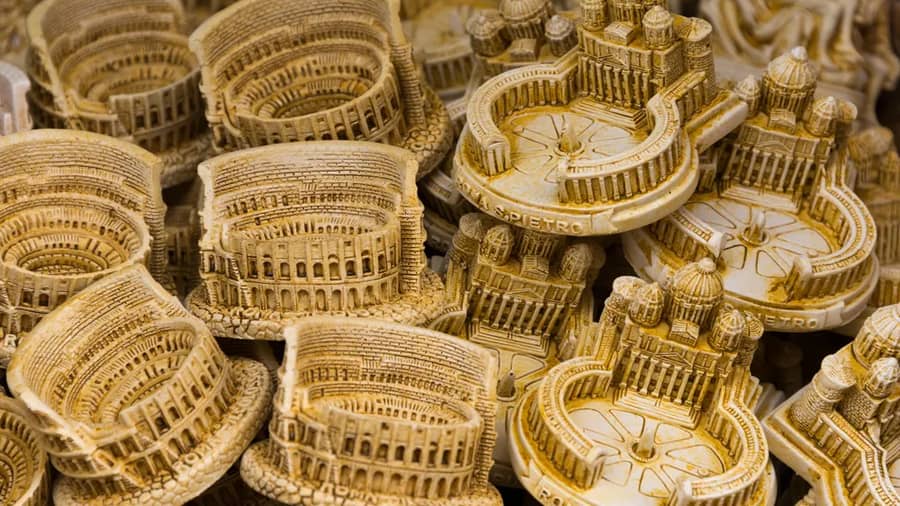
Souvenir shopping in Rome reflects the city’s history, craftsmanship, and daily culture rather than mass-produced symbols. Typical items include:
- Leather bags, belts, wallets, and accessories made by Italian workshops
- Handcrafted ceramics, plates, bowls, and decorative tiles
- Religious souvenirs such as rosaries, crosses, and Vatican-themed items
- Italian food products like olive oil, pasta, spices, truffle items, and sweets prepared for travel
- Roman-themed prints, illustrations, and architectural sketches
- Stationery, notebooks, and paper goods inspired by classical motifs
- Fashion accessories such as scarves, gloves, and silk items
- Small home accessories reflecting Italian design traditions
- Children’s books and illustrated items with Roman themes
Markets and Everyday Shopping
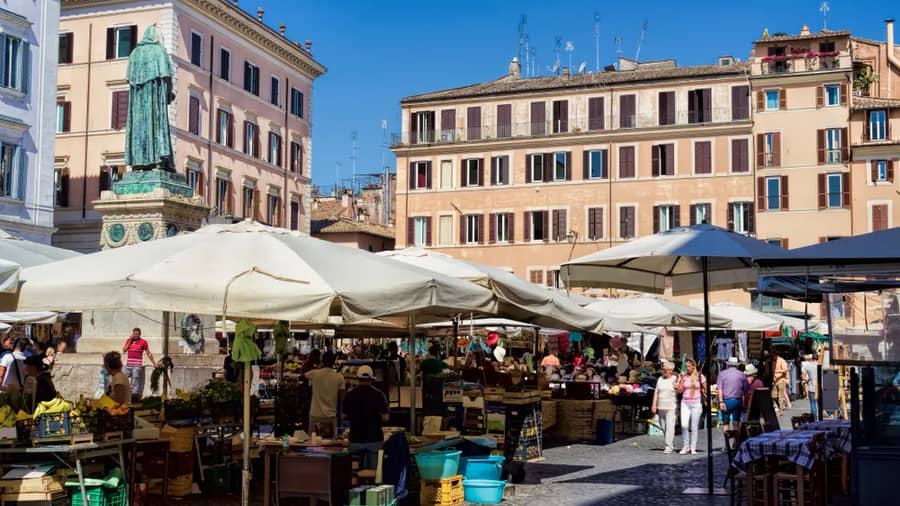
Markets are an essential part of Roman shopping culture, combining food, local life, and casual browsing.
- Campo de’ Fiori Market – A lively daily market offering food products, spices, souvenirs, and small gifts in a historic setting.
- Mercato Trionfale – One of Rome’s largest covered markets, focused on food, local products, and everyday Roman shopping.
- Testaccio Market – A modern market hall combining traditional vendors with contemporary food culture.
Flea Markets & Second-Hand Finds
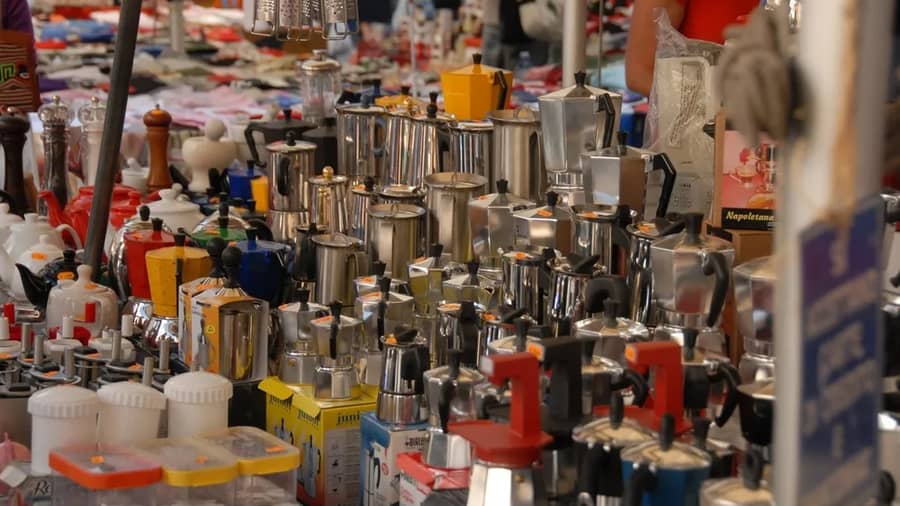
Rome’s flea markets and second-hand scene are less formal than in some northern European cities, but deeply connected to everyday life.
- Porta Portese – Rome’s most famous flea market, held on Sundays, offering antiques, clothing, books, vinyl records, and everyday curiosities.
- Smaller vintage and second-hand shops can be found throughout neighborhoods such as Monti and Trastevere, often specializing in fashion or design.
Passeggiare e Scoprire Roma
Shopping in Rome is inseparable from walking, wandering, and observing the city. Retail blends naturally into historic streets, lively piazzas, and quiet residential corners. Instead of efficiency, the focus lies on discovery, craftsmanship, and atmosphere. A purchase often becomes a by-product of exploring the city rather than the goal itself, reflecting Rome’s relaxed, layered, and deeply human rhythm of life.
-1745499006.jpg)