Food and Drink in Rome – Rhythm, Routine, and Roman Habits
Daily life in Rome follows a clear culinary rhythm shaped by habit rather than occasion. Food is not staged, explained, or dressed up. It follows the day, supports it, and disappears back into it. What defines Roman food culture is not abundance or variety, but timing, habit, and knowing how things are done. This guide follows that daily rhythm, from the first coffee in the morning to food eaten late at night, without detours or embellishment.
Coffee Culture and Roman Mornings
The day begins quickly and without ceremony, shaped by a shared ritual at the bar. Locals step in, order, drink, and move on within minutes. Standing at the counter is not about speed or stress, but about price. Coffee costs noticeably less when taken at the bar, while sitting at a table can multiply the bill, especially in central areas.

Typical Roman morning habits and orders
- Caffè (Espresso) – Short, strong espresso, ordered simply as “caffè”
- Cappuccino – Espresso with milk, acceptable only in the morning
- Cornetto – Light breakfast pastry, often filled with cream or jam
- Al banco – Standing at the counter, cheaper and faster
- Al tavolo – Sitting at a table, usually more expensive, especially in central areas
Bakeries, Sweet Bites, and Small Pauses
Between meals, small stops at bakeries and pastry counters structure the day. These stops are brief and practical. Food is chosen quickly, eaten without ceremony, and rarely turns into a full break. Sweet items dominate, but portions remain modest.

Common Roman bakery and sweet snacks
- Forno – Bakery selling bread, pizza slices, and pastries
- Maritozzo – Sweet bun filled with whipped cream, a Roman classic
- Biscotti – Simple biscuits, often eaten with coffee
- Torta della casa – House cake, usually rustic and uncomplicated
Gelato in Rome
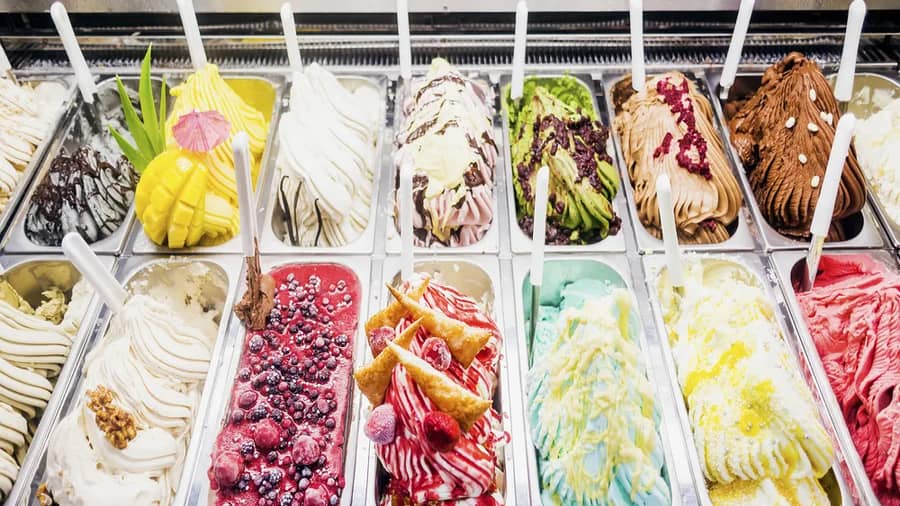
Between meals and moments of movement, something cold and familiar slips naturally into the day: Gelato! After lunch, during an afternoon walk, or late in the evening, a small portion offers refreshment without turning into an event. No ritual, no fixed timing, just a quiet pause that fits wherever it is needed.
Artisanal versions emphasize natural ingredients and clearly defined flavors, while simpler places rely on classics that rarely change. In both cases, the approach stays modest and practical rather than indulgent.
Lunch and Everyday Roman Dishes
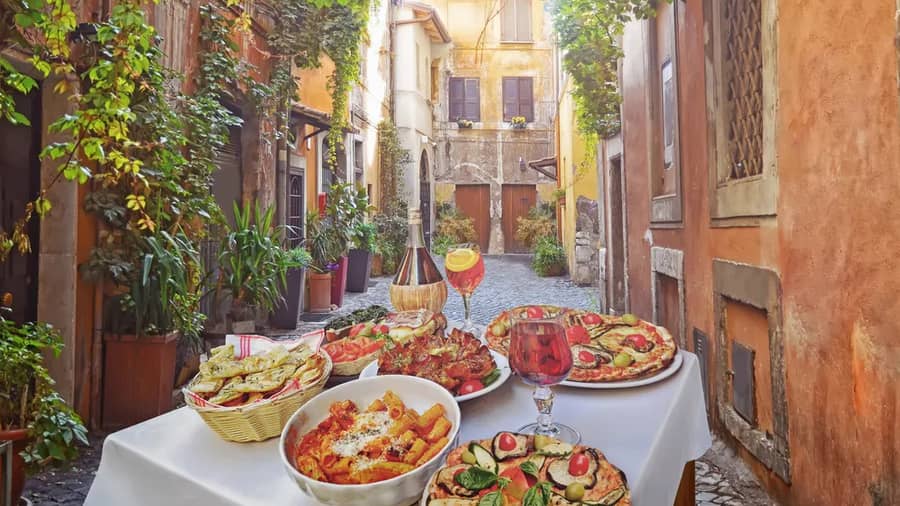
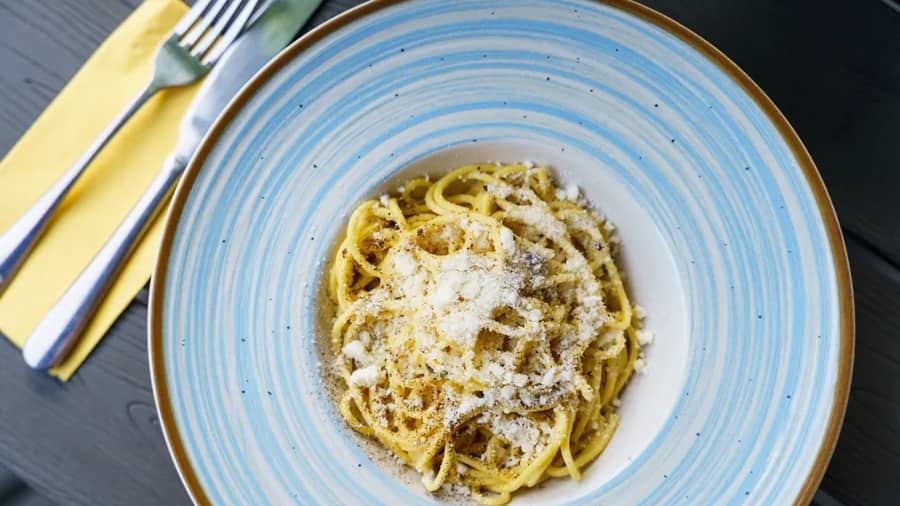
Midday brings the first structured meal of the day, warm, familiar, and rooted in tradition. Trattorias serve dishes that remain unchanged because they work. Roman cuisine relies on a small set of ingredients used with precision rather than variation.
Classic Roman lunch dishes
- Spaghetti alla Carbonara – Egg, pecorino, guanciale, black pepper
- Amatriciana – Tomato sauce with guanciale and pecorino
- Cacio e Pepe – Pecorino cheese and black pepper sauce
- Gricia – Guanciale and pecorino, without tomato
- Saltimbocca alla Romana – Veal with prosciutto and sage
- Carciofi alla Romana – Braised Roman-style artichokes
Street Food in Rome
Quick, hot food appears wherever the day leaves gaps or time runs short. Street food fills the gaps between meals, replaces lunch when time is short, and returns late at night when restaurants are already closed. There is no separate Street Food scene or dedicated halls. Instead, bakeries, counters, and takeaway spots handle this role naturally throughout the city.
Classic Roman Street Food staples
- Pizza al taglio – Rectangular pizza sold by weight, crisp and thin
- Supplì – Fried rice balls with tomato sauce and melted mozzarella
- Trapizzino – Pizza pocket filled with Roman sauces and stews
- Panino – Simple sandwich with high-quality fillings
- Focaccia – Flat bread, often eaten plain or lightly topped

As the evening stretches on and hunger returns after drinks or a long night out, Street Food becomes relevant again. Late-night eating is uncomplicated and focused on comfort rather than variety.
Typical late-night Street Food choices
- Pizza slices – Reheated or freshly baked, eaten standing
- Fried snacks (Fritti) – Supplì, crocchette di patate, fried vegetables
- Simple panini – Warm sandwiches prepared quickly
- Bakery leftovers – Savory snacks taken straight from the counter
Street Food in Rome does not interrupt the night. It supports it, quietly and reliably, whenever food is needed again.
Aperitivo and Early Evening Drinks
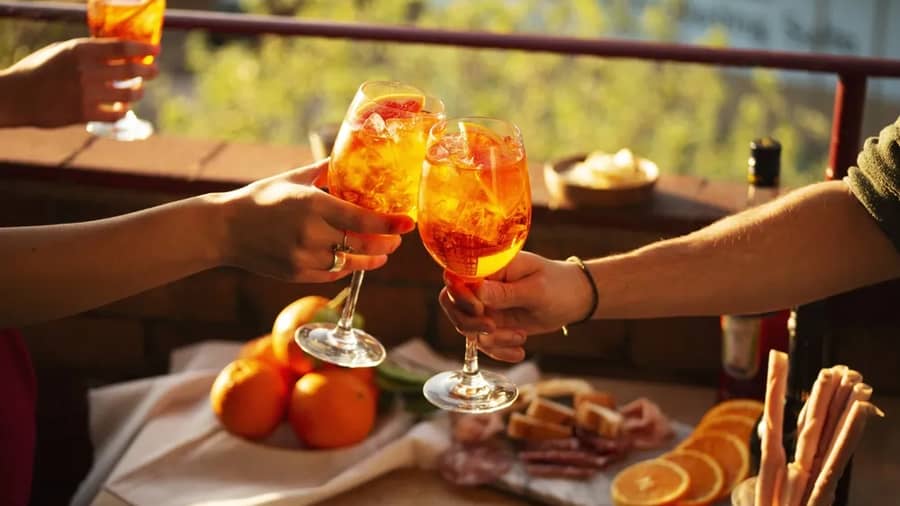
As the afternoon fades, drinking culture takes over. Aperitivo marks a pause rather than a celebration. Drinks are light, food is secondary, and the goal is to slow down without committing to dinner.
Common aperitivo choices
- Aperitivo – Pre-dinner drink with small snacks
- Vino della casa – House wine, red or white
- Spritz – Light aperitif with sparkling wine and bitters
- Prosecco – Sparkling wine by the glass
- Birra – Beer, present but secondary to wine
Dinner, Digestifs, and Late Hours
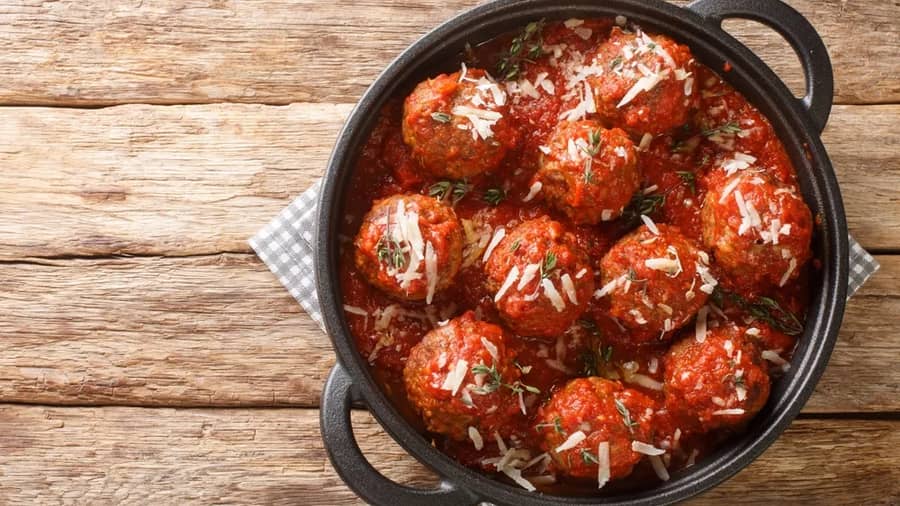
As evening settles in, the focus shifts toward fuller dishes and a slower pace at the table. Dinner is about familiarity and substance. The evening meal focuses on classic dishes that feel heavier and more complete than lunch, often built around meat, vegetables, and traditional preparations that have been part of Roman kitchens for generations.
Typical Roman dinner dishes
- Saltimbocca alla Romana – Veal with prosciutto and sage
- Abbacchio al forno – Oven-roasted lamb, a Roman specialty
- Coda alla Vaccinara – Slow-braised oxtail in tomato sauce
- Polpette – Roman-style meatballs, often served without pasta
- Carciofi alla Giudia – Crispy fried artichokes, Jewish-Roman classic
- Carciofi alla Romana – Braised artichokes with herbs and olive oil
After dinner, drinks shift naturally toward digestifs. For many Romans, these mark a pause rather than a full stop. A small glass after the meal closes the table, but not necessarily the evening.
Typical after-dinner drinks
- Amaro – Bitter herbal liqueur, commonly ordered after dinner
- Grappa – Strong grape spirit, sipped slowly
- Limoncello – Sweet lemon liqueur, often offered as a final touch

For some, this is where the evening winds down. Others take the moment as a transition. The table is left, but the night continues elsewhere, with a glass of wine, a beer, or a cocktail in a nearby bar. This natural flow from dinner into drinks shapes how Roman nights unfold and leads directly into the neighborhoods where eating and drinking continue late into the evening.
Where Rome Eats and Drinks
As the evening unfolds, activity in Rome concentrates along specific districts, squares, and street networks. Restaurants and bars rarely exist in isolation. Instead, they cluster in areas where walking from dinner to drinks feels natural and unplanned. Knowing these zones matters more than knowing individual addresses.
Trastevere
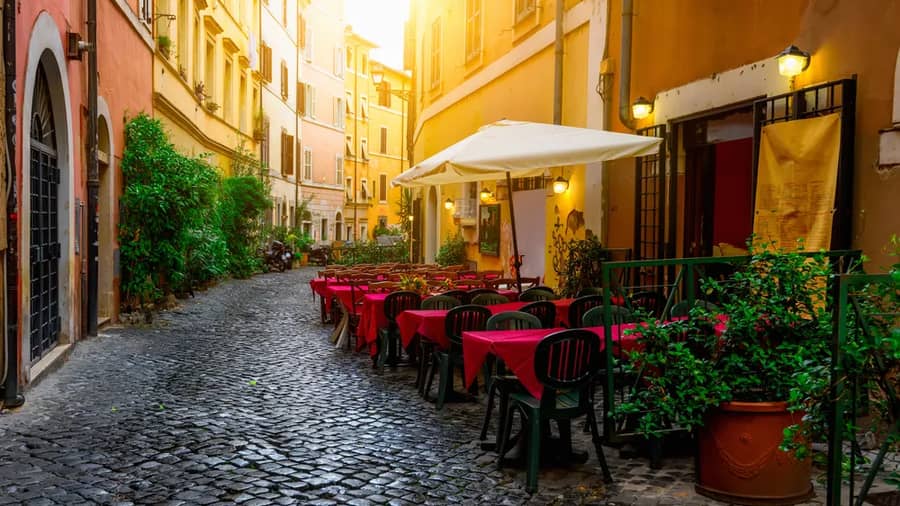
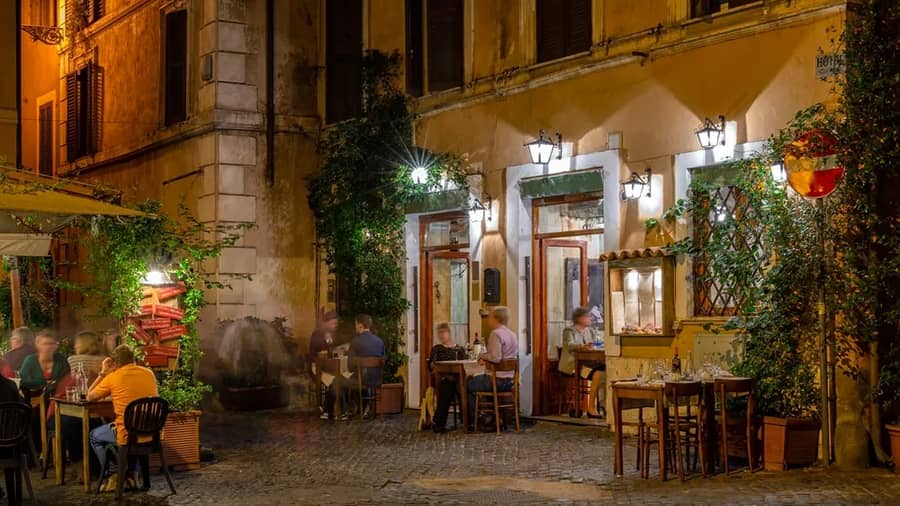
A tightly woven web of narrow streets and small piazzas defines the evening rhythm here. Outdoor tables, constant movement, and overlapping conversations create an atmosphere where dinner often turns into drinks without a clear transition. This part of the city works best for long, spontaneous nights.
Campo de' Fiori
When the market stalls disappear, bars and casual spots take over. The focus shifts decisively toward drinking, with food playing a supporting role. Evenings here tend to start later and grow louder as the night progresses.
Piazza Navona
Open space, baroque scenery, and steady foot traffic shape the experience around this square. Dining feels scenic and unhurried, often paired with slow walks afterward. Surrounding streets absorb much of the real activity once dinner is over.
Via del Governo Vecchio
Running just behind Piazza Navona, this street and its side lanes concentrate small trattorias, wine bars, and informal dining spots. The mood is more intimate and less showy, making it a popular choice for evenings built around conversation rather than spectacle.
Monti
Compact streets and a slightly bohemian tone define this neighborhood. Restaurants and wine bars sit close together, encouraging relaxed movement rather than fixed plans. Evenings here feel social without becoming overwhelming.
Testaccio
A strong culinary identity anchors this area. The emphasis lies clearly on food rather than nightlife. Many come here with a specific intention: sitting down properly and eating classic Roman dishes in a grounded, local setting.
Piazza di Spagna and the Tridente
Around the Spanish Steps, dining shifts into the surrounding streets rather than the square itself. The so-called Tridente, formed by Via del Babuino, Via Margutta, and nearby lanes, offers a dense mix of restaurants and wine bars. Evenings here feel polished and central, often chosen before or after strolls through the historic core.
Via del Corso and Side Streets
The main artery itself is dominated by shopping and movement, but the parallel and connecting streets carry much of the evening life. Restaurants and bars appear one or two blocks off the Corso, benefiting from central location without the daytime rush.
Ponte Milvio and Northern Nightlife
Further north, activity gathers around the bridge and surrounding streets. This area is known less for traditional dining and more for bars, late-night drinking, and a younger crowd. Evenings here are clearly drink-driven.
Evening Patterns Across the City
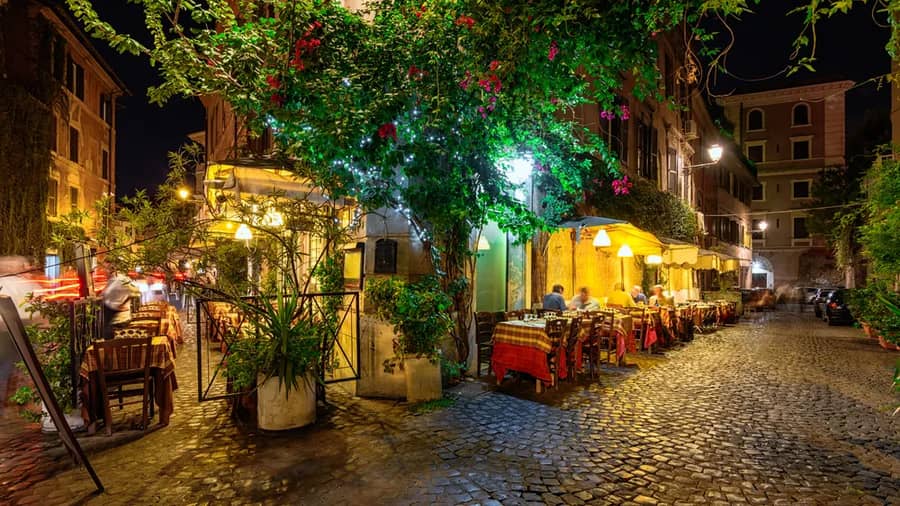
Rom does not rely on a single square or a handful of streets. Evening life spreads across distinct zones, each with its own balance between food and drinks. Some areas favor long dinners, others encourage movement, and some exist almost entirely for nightlife. Understanding these patterns makes choosing where to go easier than chasing individual recommendations.
A Tavola a Roma
Eating and drinking in Rome works best when it follows the city’s habits. A quick coffee at the bar, a proper lunch, something small in the afternoon, wine before dinner, and Street Food late at night. The pleasure lies not in searching for highlights, but in moving with the rhythm Romans live every day. That rhythm defines Roman food culture, direct, confident, and deeply rooted in routine.
-1745499006.jpg)