Food and Drink in Seville – Rhythm, Habit, and Andalusian Life
Eating and drinking in Seville follow a rhythm shaped by climate, social life, and long-standing habits. Meals are rarely rushed and almost never staged. Food fits naturally into the day, adapts to the heat, and brings people together without ceremony. What matters here is not variety or presentation, but timing, sharing, and familiarity. This guide follows that daily flow, from the first coffee of the morning to food and drinks late at night, exactly as Sevillanos experience it.
Coffee Culture and Andalusian Mornings
Mornings in Seville begin calmly and without urgency. Coffee is part of a small daily pause, often paired with something simple to eat. Unlike Italy, there are no strict rules about how or when coffee is taken. Sitting down is common, conversations are unhurried, and breakfast blends smoothly into the start of the day.
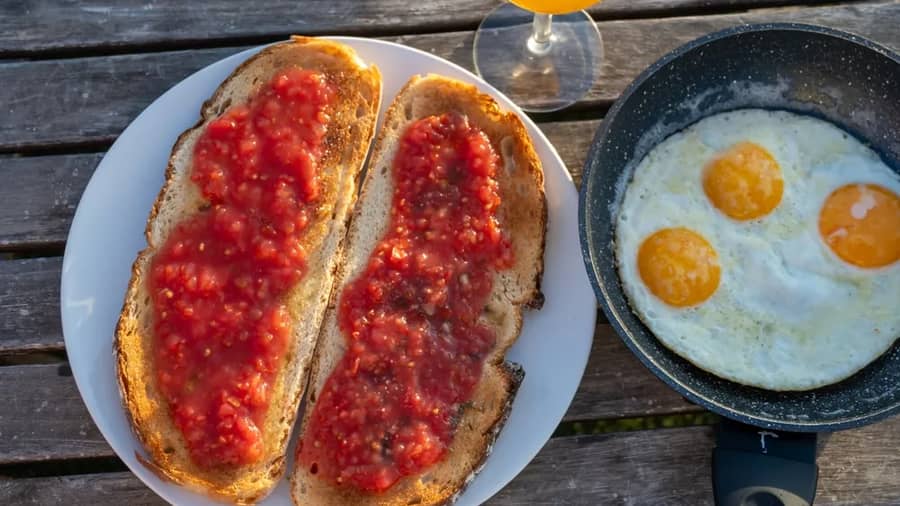
Typical morning orders and habits include
- Café solo – Short, strong black coffee
- Café con leche – Coffee with hot milk, the most common choice
- Cortado – Coffee with a small amount of milk
- Tostada – Toasted bread, usually with olive oil, tomato, or butter
- En barra – Standing at the counter
- En mesa – Sitting at a table, often preferred in the morning
Coffee in Seville is not about speed. It is a quiet social ritual that sets the tone for the day.
Bakeries, Sweet Bites, and Small Pauses
Between meals, short stops for something sweet structure the day. Bakeries, cafés, and bar counters offer small portions meant to accompany coffee or mark a brief break. These pauses are practical and relaxed, never formal.
Common sweet snacks and bakery items are
- Napolitana – Flaky pastry, often filled with chocolate or cream
- Ensaimada – Soft spiral pastry, lightly sweet
- Bizcocho – Simple sponge cake
- Pastel casero – House-made cake, usually rustic and uncomplicated
- Torta de aceite – Thin olive oil biscuit with a light hint of sweetness
These moments are brief but frequent, fitting naturally between longer meals.
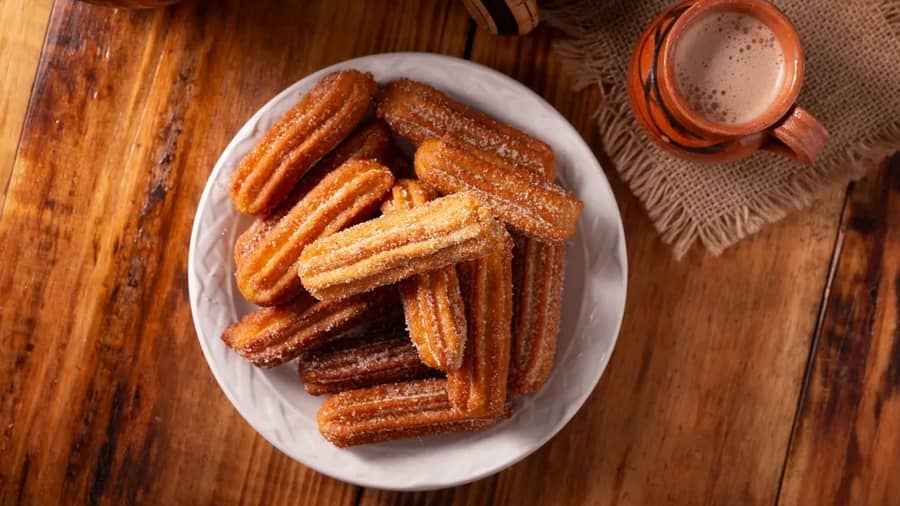
Churros and Sweet Traditions
Some habits in Seville exist outside the usual meal structure. Churros belong firmly to this category. They appear early in the morning, late at night, or whenever hunger calls for something warm and familiar. Often paired with thick hot chocolate, churros are less a dessert than a comfort food, eaten standing, shared, and enjoyed without ceremony. There is no fixed time for them, only tradition and habit.
Lunch and Everyday Andalusian Dishes
Lunch is the first substantial meal of the day and often the most grounded. Portions remain moderate, dishes are familiar, and food focuses on simplicity rather than complexity. Heat influences both timing and choices, favoring lighter preparations and shared plates.
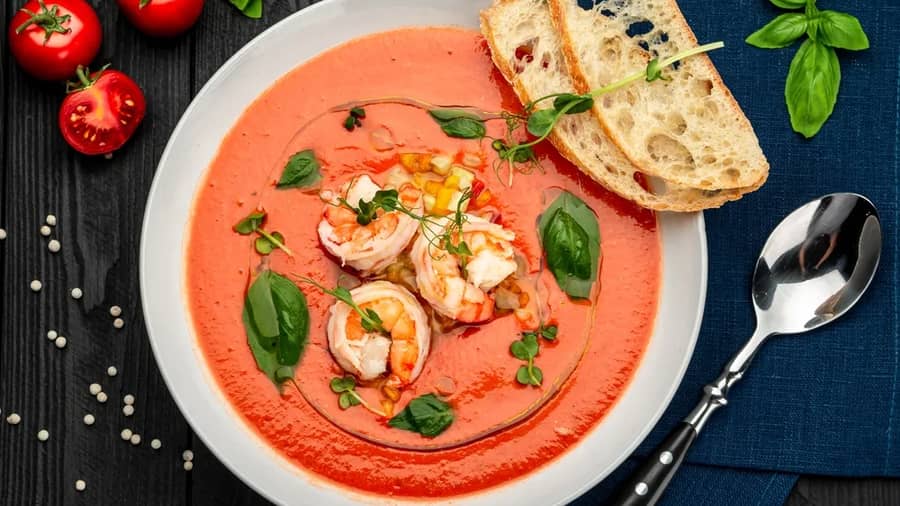
Classic lunch dishes in Seville include
- Salmorejo – Thick cold tomato and bread soup with olive oil
- Gazpacho – Chilled tomato-based vegetable soup
- Ajoblanco – Chilled almond and garlic soup, traditionally served cold in summer
- Espinacas con garbanzos – Spinach with chickpeas, a local staple
- Huevos a la flamenca – Baked eggs with vegetables and ham
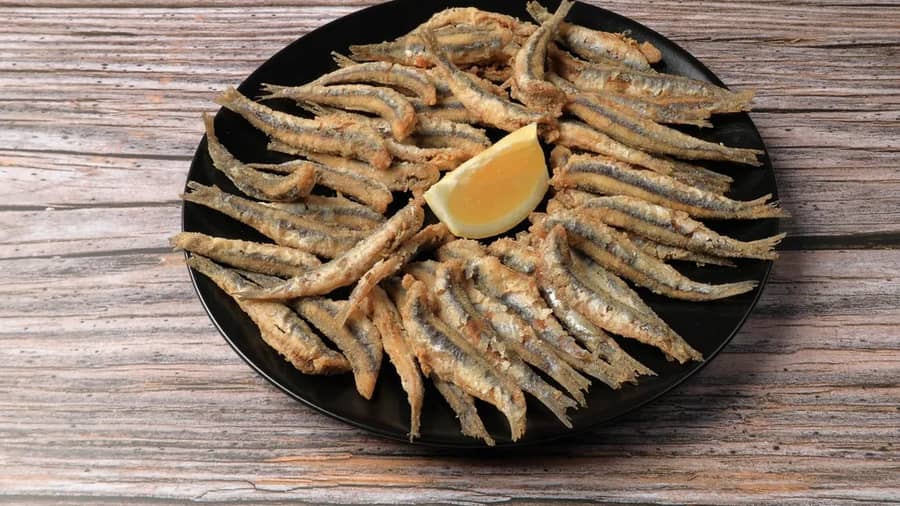
- Pescado frito – Lightly fried fish, usually shared
Lunch is filling but never heavy, designed to support the rest of the day rather than end it.
Street Food in Seville
Street food in Seville does not exist as a separate scene. Instead, it blends into everyday bar culture. Counters, small kitchens, and takeaway spots fill the gaps between meals, offering quick, hot food without formality.
Typical Street Food choices are
- Montadito – Small sandwich with simple fillings
- Bocadillo – Larger sandwich on crusty bread
- Croquetas – Fried croquettes, usually ham or chicken
- Empanadilla – Small filled pastry, baked or fried
As the night stretches on and restaurants close, Street Food becomes relevant again. Eating late is uncomplicated and focused on comfort.
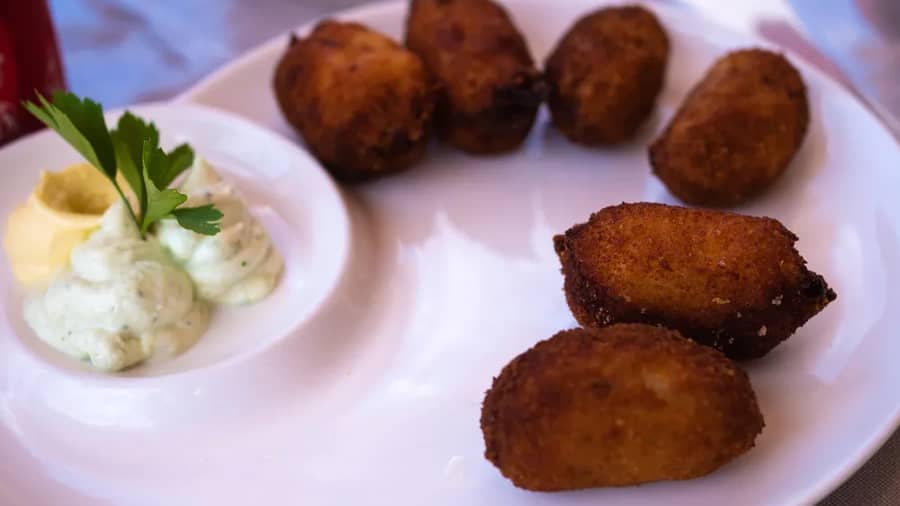
Common late-night options include
- Bocadillo caliente – Warm sandwich prepared to order
- Croquetas – Reappearing as a reliable late snack
- Fritos – Assorted fried bites taken straight from the counter
Street Food supports the night quietly, without interrupting it.
Aperitivo, Vermouth, and Early Evening Drinks
As afternoon turns into evening, drinking culture takes over naturally. The early evening is social and unhurried, focused on light drinks rather than food. This moment acts as a bridge between day and night.
Typical early evening drinks are
- Vermut – Aromatic fortified wine, often served on ice
- Cerveza – Beer, usually small and cold
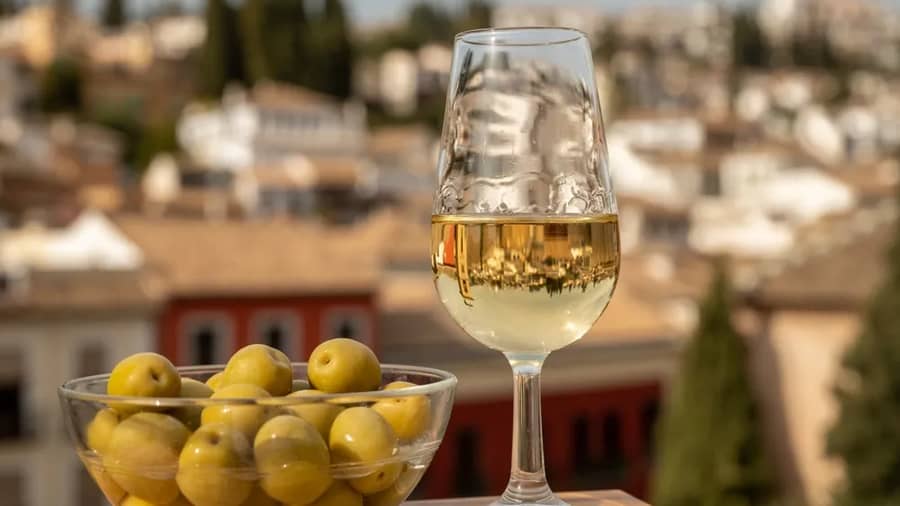
- Vino blanco – White wine, suited to warm evenings
- Manzanilla – Dry sherry from nearby Sanlúcar
- Rebujito – Light mix of manzanilla sherry and lemon soda, traditionally linked to festivals and warm-weather celebrations
Dinner, Tapas Culture, and Late Hours
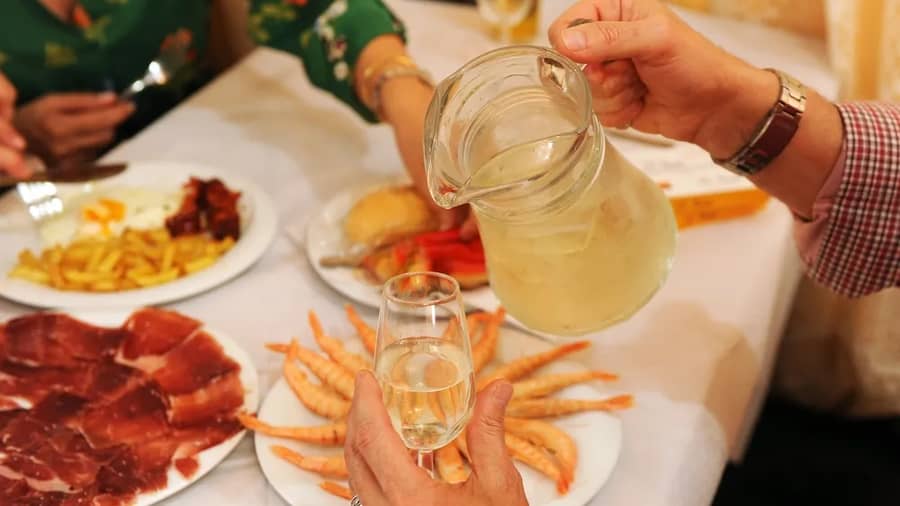
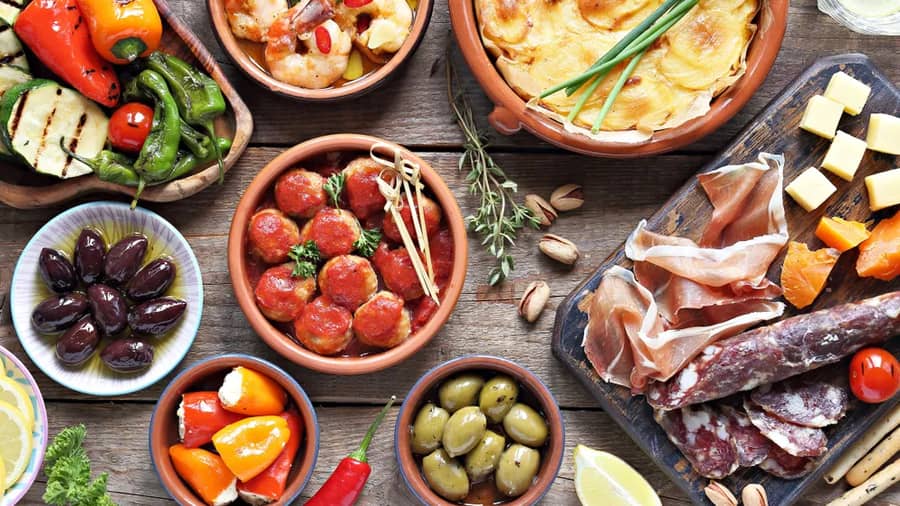
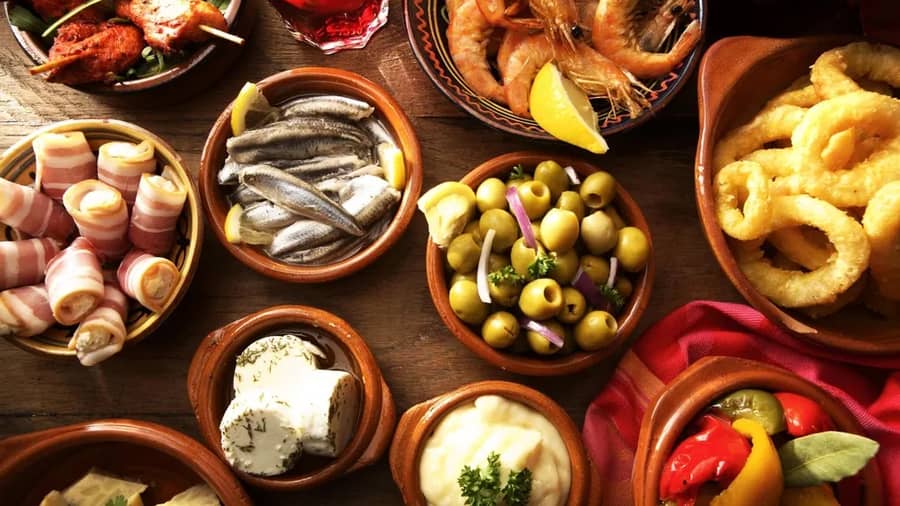
Dinner in Seville starts late and unfolds slowly. Rather than a single main dish, the evening revolves around sharing multiple plates. Tapas are ordered gradually, allowing the table to evolve over time. This flexible approach encourages conversation and movement rather than fixed courses.
Common dinner dishes include
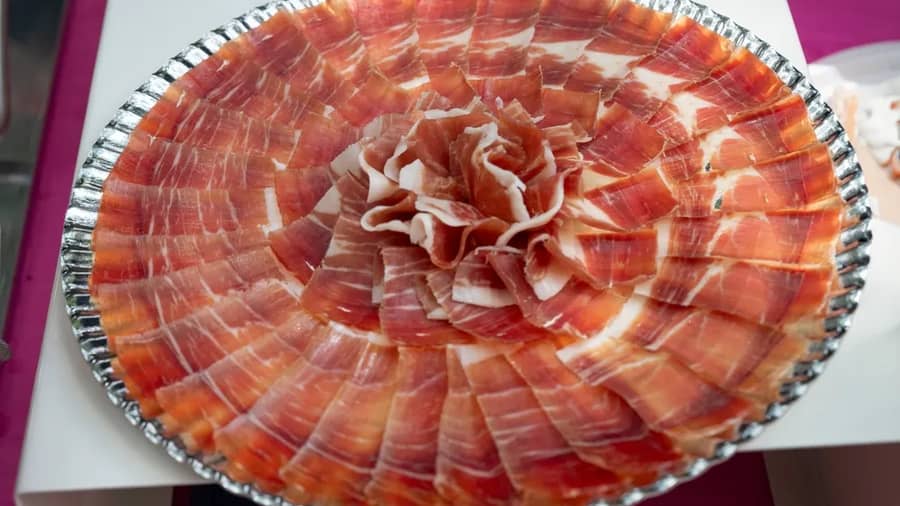
- Jamón ibérico – Cured Iberian ham
- Carrillada – Slow-braised pork or beef cheeks
- Solomillo al whisky – Pork tenderloin in garlic and wine sauce
- Tortilla española – Potato omelette, served warm or cold
- Queso manchego – Firm sheep’s milk cheese
After dinner, drinks shift naturally toward digestifs.
Typical after-dinner choices are
- Orujo – Strong grape spirit
- Licor de hierbas – Herbal liqueur
- Brandy – Smooth Spanish brandy
For some, this ends the evening. For others, it simply marks a transition.
Where Seville Eats and Drinks
Eating and drinking in Seville concentrate in distinct neighborhoods rather than isolated venues. Knowing these areas matters more than specific addresses.
Triana
Traditional, grounded, and strongly food-focused. Bars and taverns emphasize classic dishes and long-standing routines.
Santa Cruz
Compact streets and a steady flow of visitors shape dining here. Food blends with atmosphere and evening strolls.
El Arenal
Close to the river and bullring, this area balances traditional restaurants with relaxed evening bars.
Alameda de Hércules
Lively, youthful, and informal. Drinking often leads, with food supporting long, social nights.
Macarena
Less polished and more local in tone. Eating here feels practical and rooted in everyday life.
Along the Guadalquivir
Riverfront areas encourage slow evenings, light meals, and extended drinks with open views.
Evening Patterns Across the City
Seville does not revolve around a single nightlife center. Different areas favor food, drinks, or movement, depending on mood and time. Some nights are built around tables, others around walking from bar to bar. Understanding this flow makes choosing where to spend the evening far easier than chasing individual recommendations.
A Comer y Beber en Sevilla
Eating and drinking in Seville work best when they follow the city’s rhythm. Coffee with toast in the morning, something small and sweet along the way, a light lunch, drinks as the sun fades, shared plates late into the night. The pleasure lies not in searching for highlights, but in moving naturally through the day. That rhythm defines Sevillian food culture: relaxed, social, and deeply rooted in everyday life.