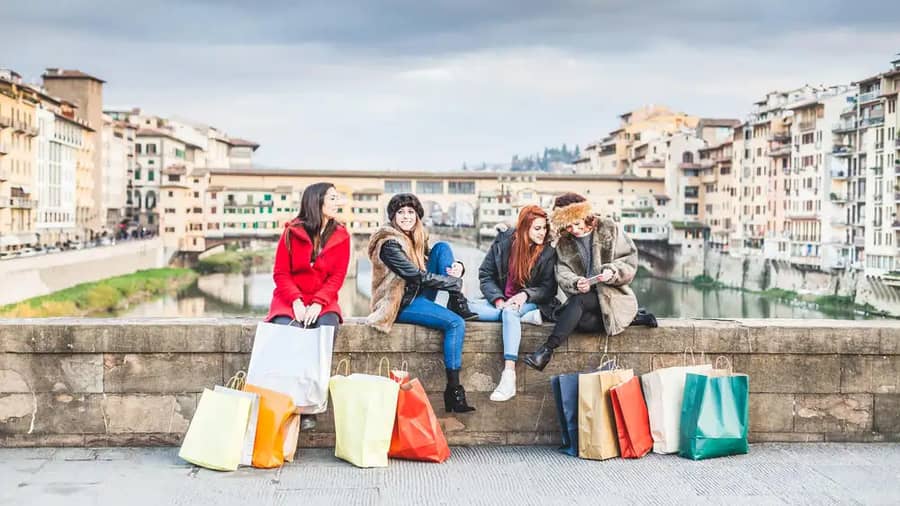
Shopping in Florence – From Souvenirs to High-End
Florence is compact, historic, and highly concentrated when it comes to shopping. Most shopping areas lie within or directly around the historic center and can easily be combined on foot. Elegant streets, small artisan workshops, luxury boutiques, and classic souvenir shops sit close together, often just a few minutes apart. Rather than large shopping districts spread across the city, Florence offers a dense and clearly structured shopping experience, where international fashion, Italian craftsmanship, and traditional local products naturally overlap.
The Most Popular Shopping Streets
These streets form the backbone of shopping in Florence. All of them are located within the historic center and can easily be combined on foot, often within a single walk.
- Via de’ Calzaiuoli - The main pedestrian axis between the Cathedral and Piazza della Signoria, lined with international fashion brands, Italian labels, and classic retail chains.
- Via del Corso - A busy central street with a mix of fashion stores, mid-range brands, and everyday shopping, connecting several key areas of the old town.
High-End and Elegant Shopping
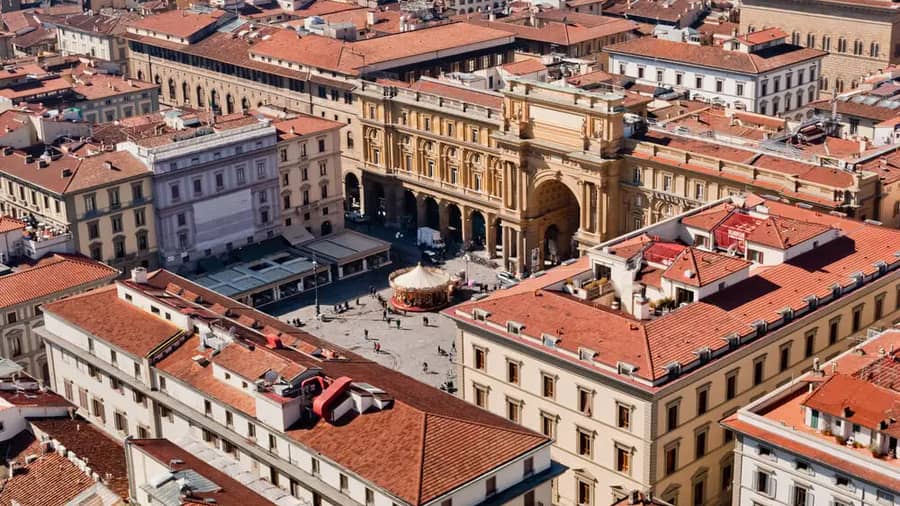
Florence is one of Italy’s key luxury shopping destinations in Europe. Elegant streets, historic palazzi, and flagship boutiques define the city’s high-end retail landscape, concentrated almost entirely within the historic center.
- Via dei Tornabuoni - The undisputed prime address for luxury shopping, home to international fashion houses, fine jewelry, and flagship stores set in Renaissance-era buildings.
- Via della Vigna Nuova - A refined extension of the luxury zone near Via dei Tornabuoni, offering premium fashion in a calmer, less crowded setting.
- Piazza della Repubblica - Surrounding streets feature upscale fashion, jewelry shops, and historic cafés, blending elegant retail with architectural grandeur.
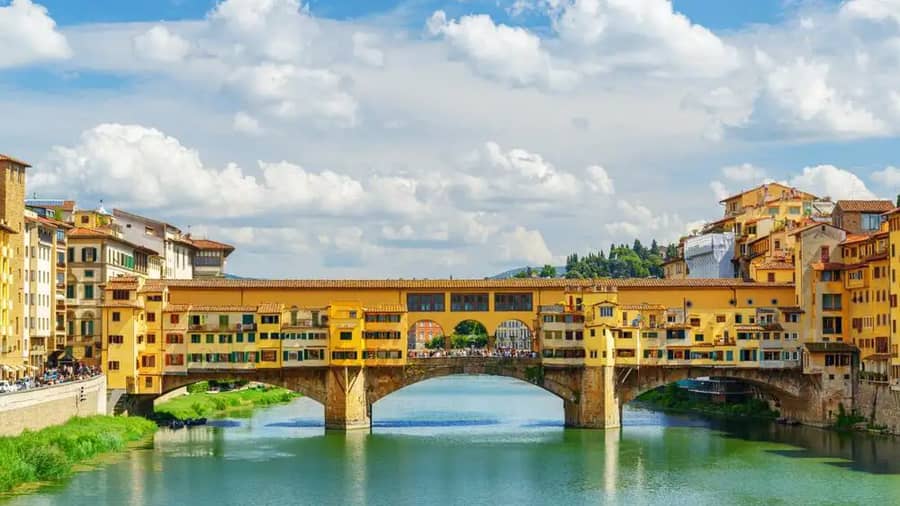
An Iconic Shopping Landmark: Ponte Vecchio
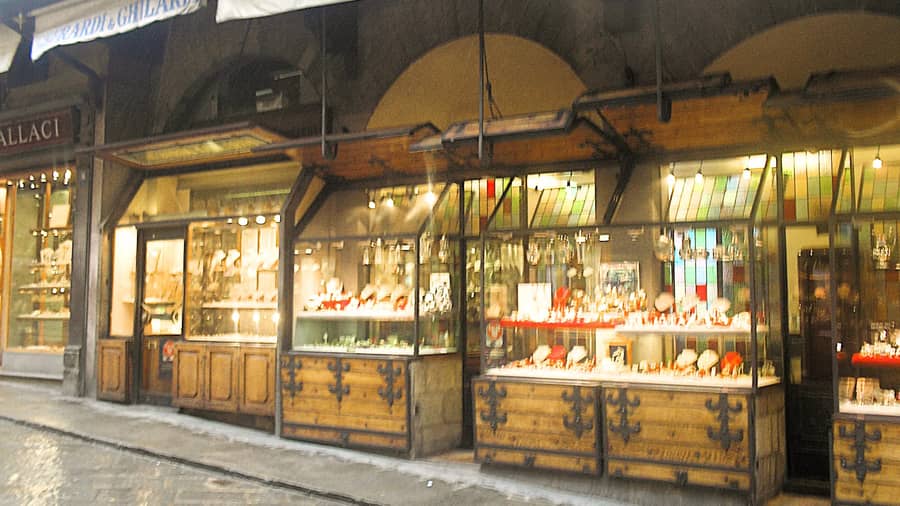
One of the world’s most famous shopping locations and a truly unique feature of Florence spans the river Arno: the Ponte Vecchio. Lined exclusively with goldsmiths and jewelry shops, this bridge has served as a center for precious metal trading since the Middle Ages. Unlike ordinary shopping streets, its boutiques are housed directly on the bridge itself, creating a rare blend of commerce, architecture, and history. Today, the focus remains firmly on fine jewelry and gold, making the Ponte Vecchio less a place for casual purchases and more a symbol of Florence’s long-standing craftsmanship and luxury tradition.
Shopping Centers
Shopping centers play only a minor role in Florence, as most shopping is concentrated in the historic center. A small number of modern malls exist outside the old town and are mainly used by locals or visitors staying longer.
- I Gigli Shopping Center - The largest shopping center in the Florence area, located northwest of the city, with a wide range of international brands, restaurants, and entertainment.
- Centro Commerciale Ponte a Greve - A smaller, practical shopping center on the southwestern edge of the city, focused on everyday shopping rather than tourism.
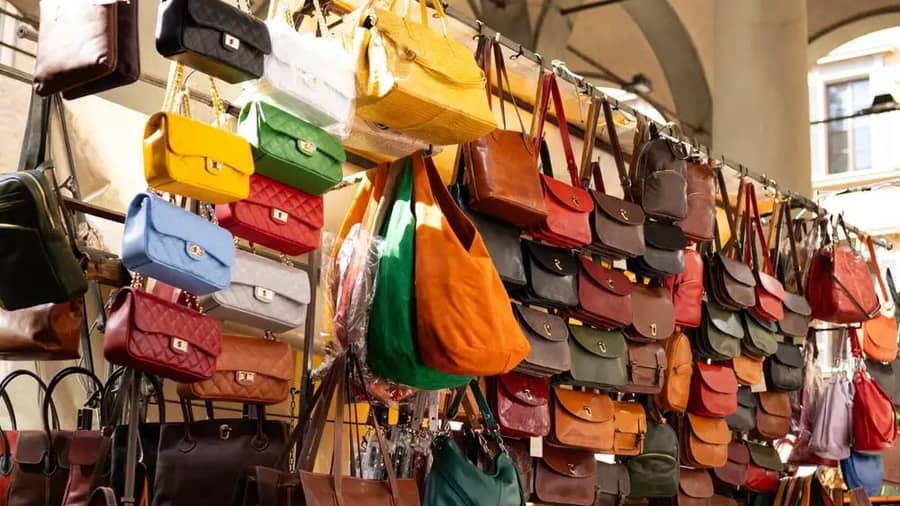
Souvenirs & Gifts
Souvenir shops in Florence are concentrated mainly in the historic center, especially around major sights and along the main pedestrian streets. The focus is on traditional craftsmanship and classic Italian gift items rather than novelty products.
- Leather goods, including bags, belts, wallets, and small accessories
- Paper products and stationery inspired by Florentine marbled paper traditions
- Scarves, ties, and fashion accessories with Italian design
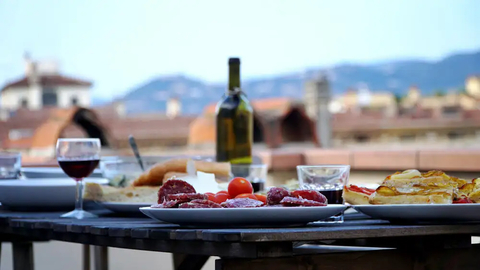
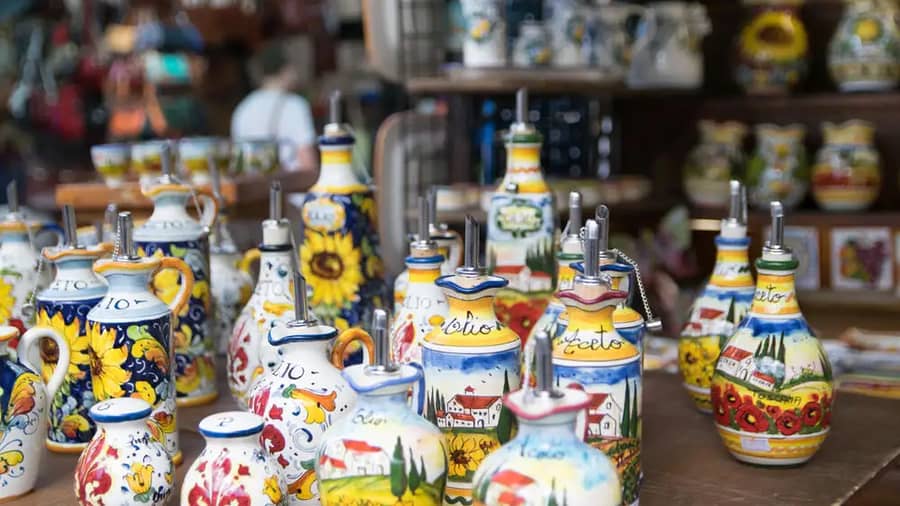
- Olive oil, wine, and regional food specialties packaged for travel
- Small art prints, ceramics, and decorative objects linked to Florentine culture
Creative Neighborhoods and Local Boutiques
Outside the main shopping streets, Florence offers a small but distinctive selection of areas focused on craftsmanship, independent boutiques, and traditional workshops rather than trend-driven retail.
- Oltrarno - Known for artisan workshops, leather makers, jewelers, small studios, and independent shops, with a strong emphasis on traditional craftsmanship and local production.
- San Lorenzo - A mixed area combining local boutiques, leather shops, and smaller fashion stores, close to the historic market area and less polished than the main luxury streets.
Flea Markets & Second-Hand Finds
Florence offers a limited but established flea market scene, focused more on browsing and atmosphere than on extensive second-hand shopping.
- Mercato delle Cascine - A large weekly market along the Arno, offering clothing, household goods, accessories, and occasional second-hand items, primarily aimed at locals.
- Small second-hand and vintage shops are scattered across the historic center and the Oltrarno area, with a focus on clothing and accessories rather than collectibles.
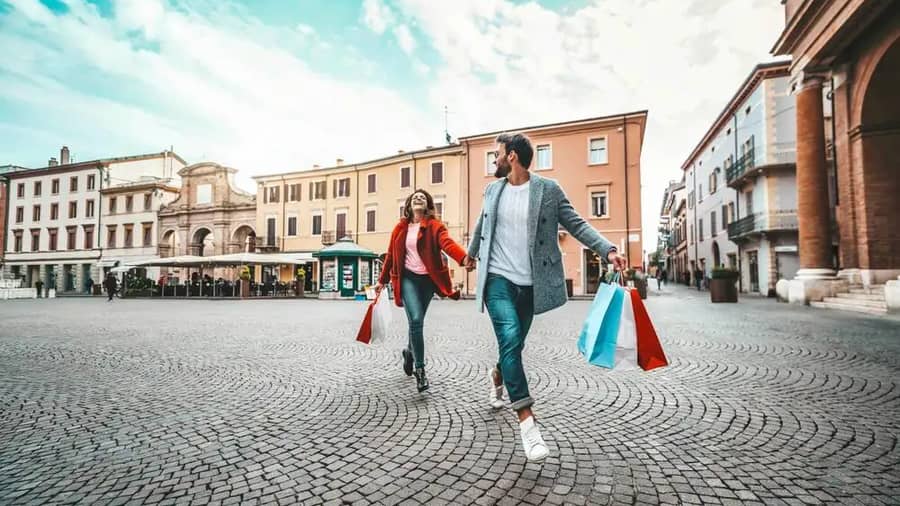
Florence is not a city for destination shopping or large retail complexes. Its strength lies in concentration and continuity. Shopping unfolds alongside everyday city life, between churches, squares, and museums, without clear borders between sightseeing and retail.
Purchases are often incidental rather than planned, shaped by short distances and long-standing traditions. This makes shopping in Florence less about volume or variety and more about context, atmosphere, and authenticity.